Interview with Sarah Spitzer

When/how did you begin working with vintage photographs? What is their significance within your work?
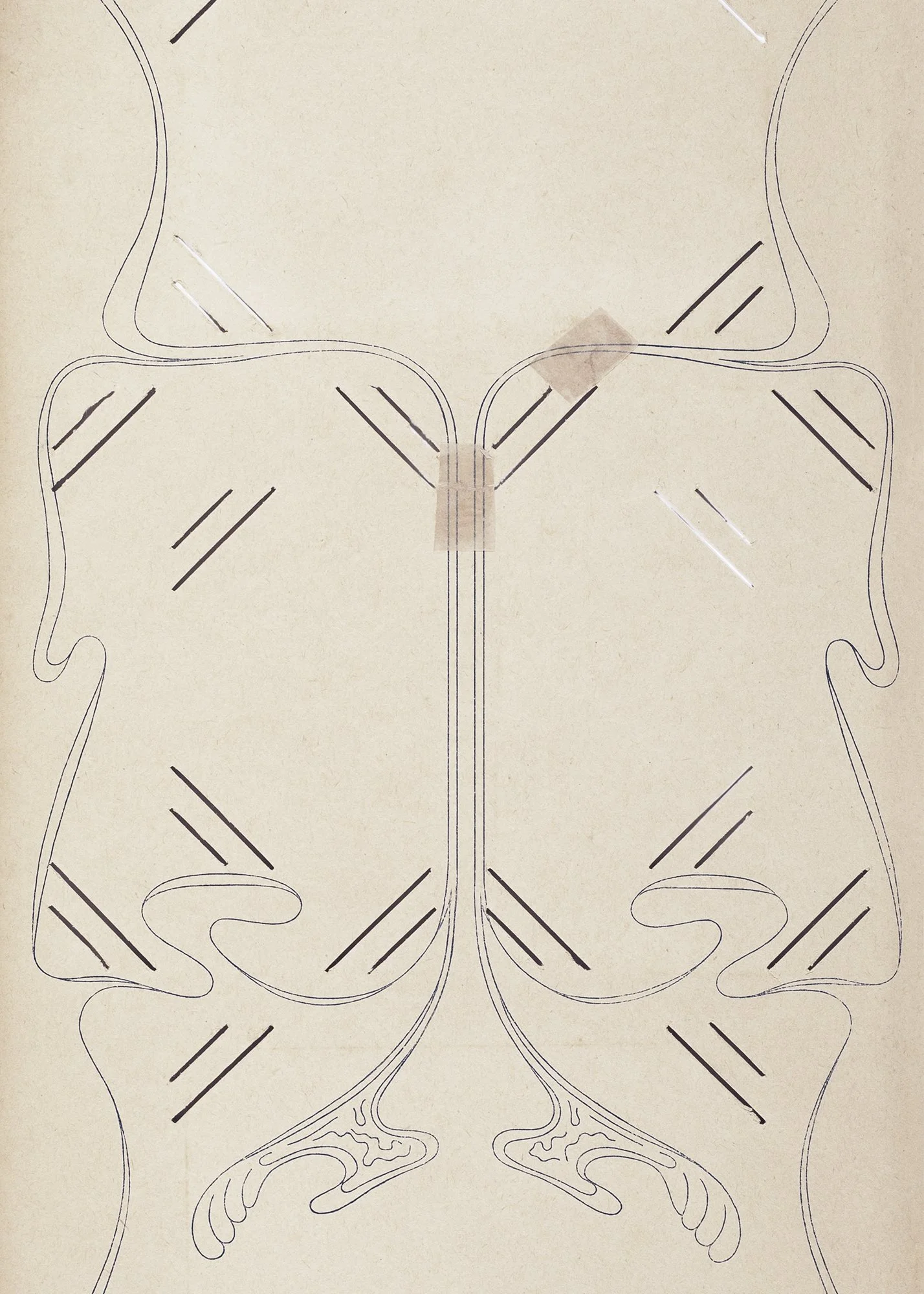
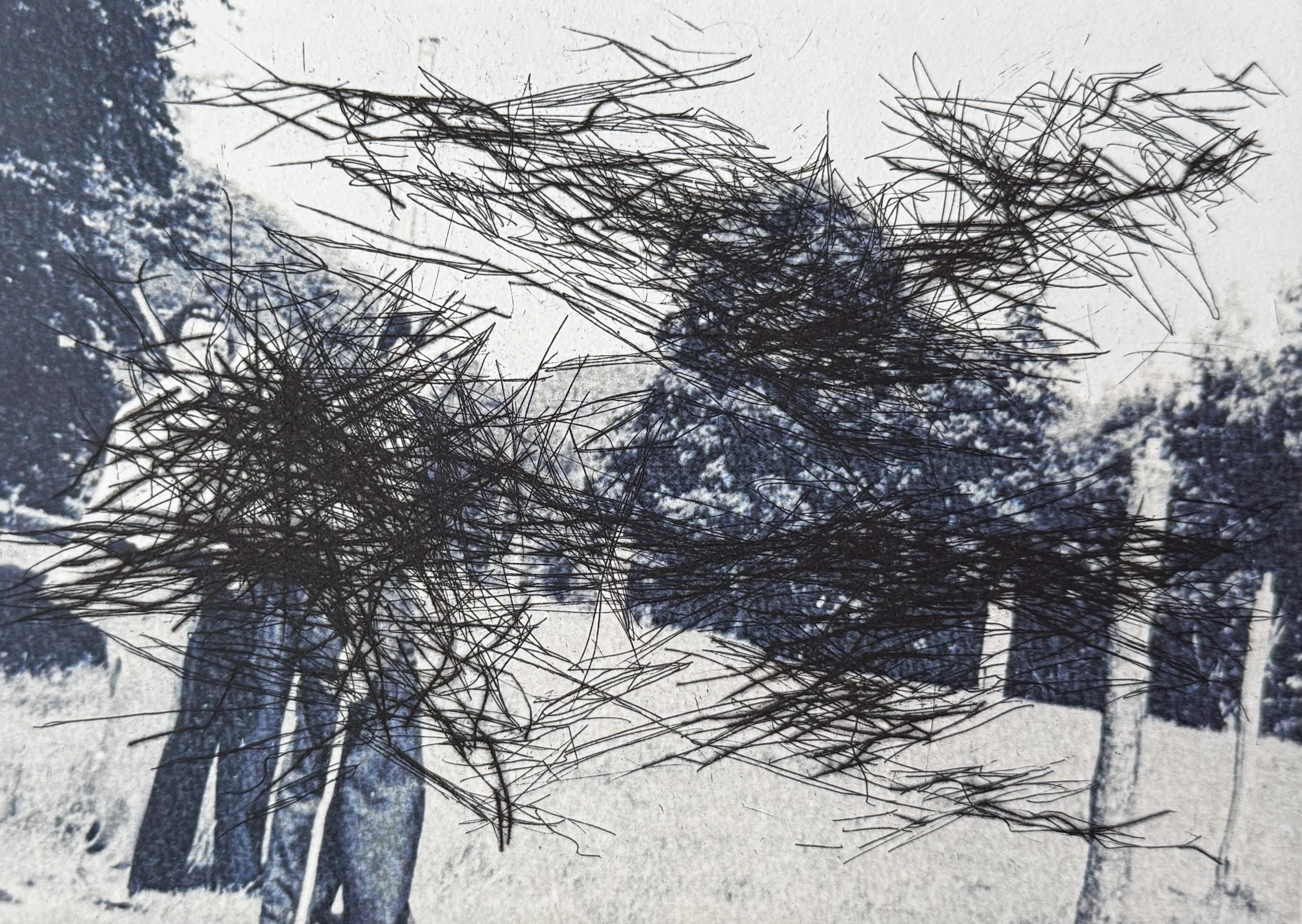
The first time I began to work with vintage photographs was during my studies in Fine Art at university. Back then, at my parents’ house, I came across old family albums containing dusty old photographs – some of which had already started to fade – that none of my relatives could identify anymore. To me, they seemed like lost memories, no longer clearly accessible, but still a part of me and my own history. So I began to take a closer look at them, arranging, selecting, combining and finally approaching them through the process of layering with gestural etchings. This evolved into the work 'Untitled (Fragments)' - a play of remembering and forgetting, of the familiar and the unfamiliar. As I have always been interested in themes of memory and preservation, vintage photographs – whether from my own family or found material – are an important source of inspiration, allowing me to explore individual and collective memory and a interplay of fact and fiction
How would you describe your process?
My artistic approaches range from experimental to conceptual methods. Found objects are often the starting point for my artistic work. This might be a haptic impulse, a material or something visual, such as a vintage photograph. What matters is that it evokes something within me: a question, a feeling, curiosity. Using this as a point of reference, I continue to work with the found material and appropriate it. I enjoy working and experimenting with different layers and media, which I combine, overlay and interconnect. In terms of content, this manifests itself across different timeframes – an artistic exploration of the past in relation to the present, or with various actors. These can be human or nonhuman actors, which are brought together as in my work ‘The Serlachius Project’. Another part of the process that interests me is the final step of combining the single visual fragments to create new narratives and stories that leave space for personal interpretations and connections to one’s own memories.
What themes are you exploring within your work?
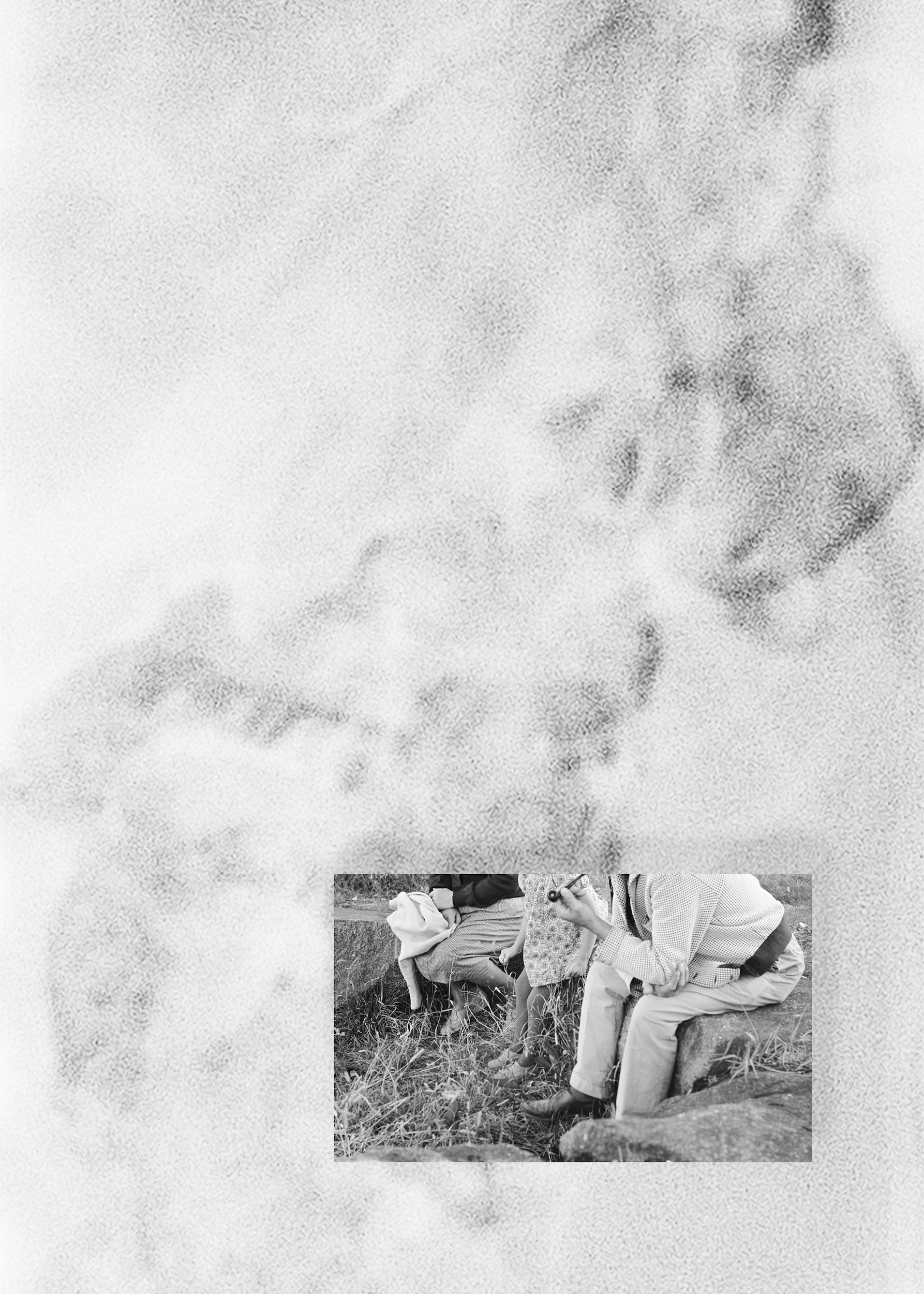
My artistic work explores subjects such as memory and preservation as well as different kinds of relationships like human's interconnectedness and interaction with nature. I’m interested in (re)construction processes of human images in connection with identity and the telling of personal and collective stories in a combination of facts and fiction.
Are there any upcoming projects you'd like to share about?
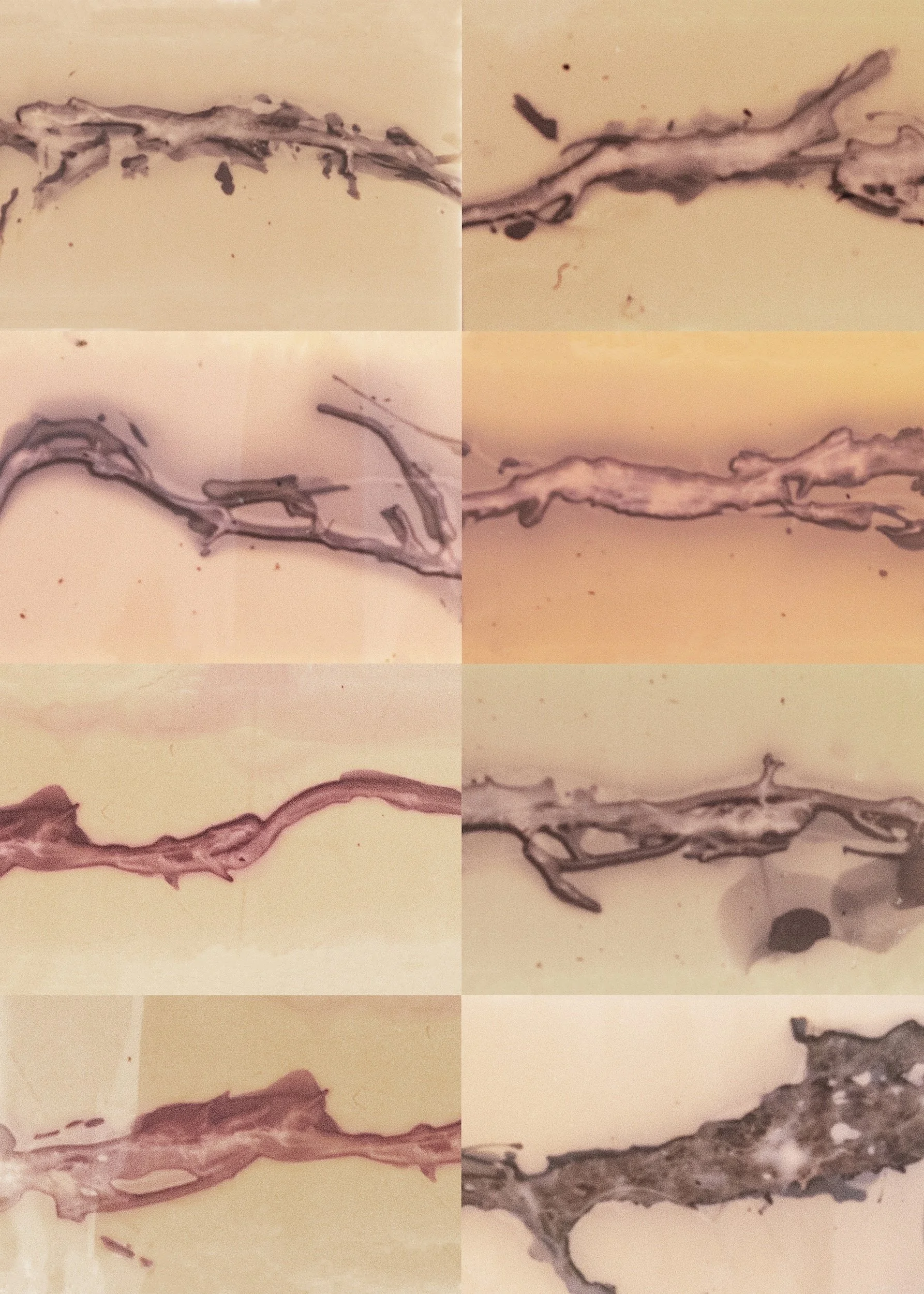
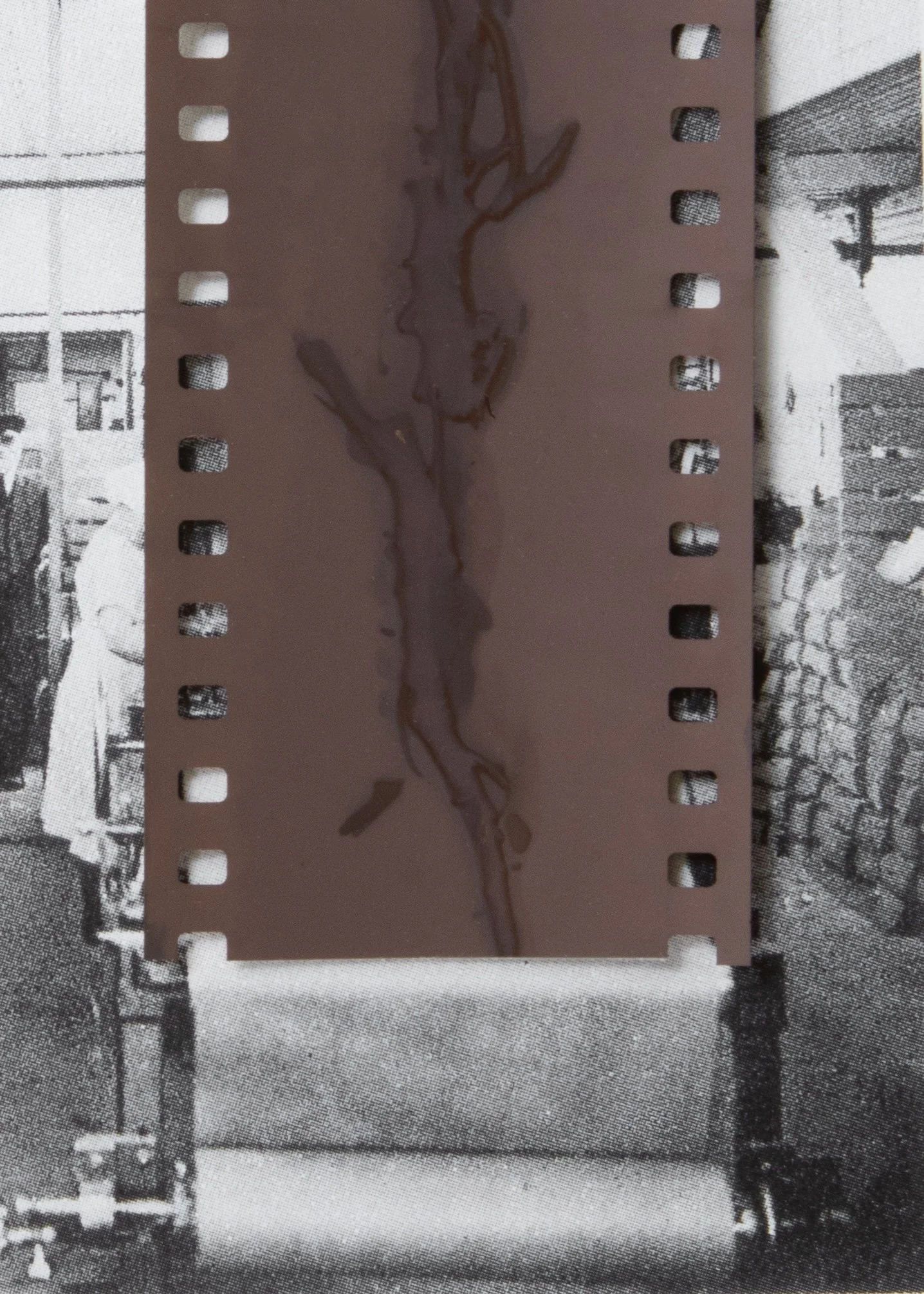
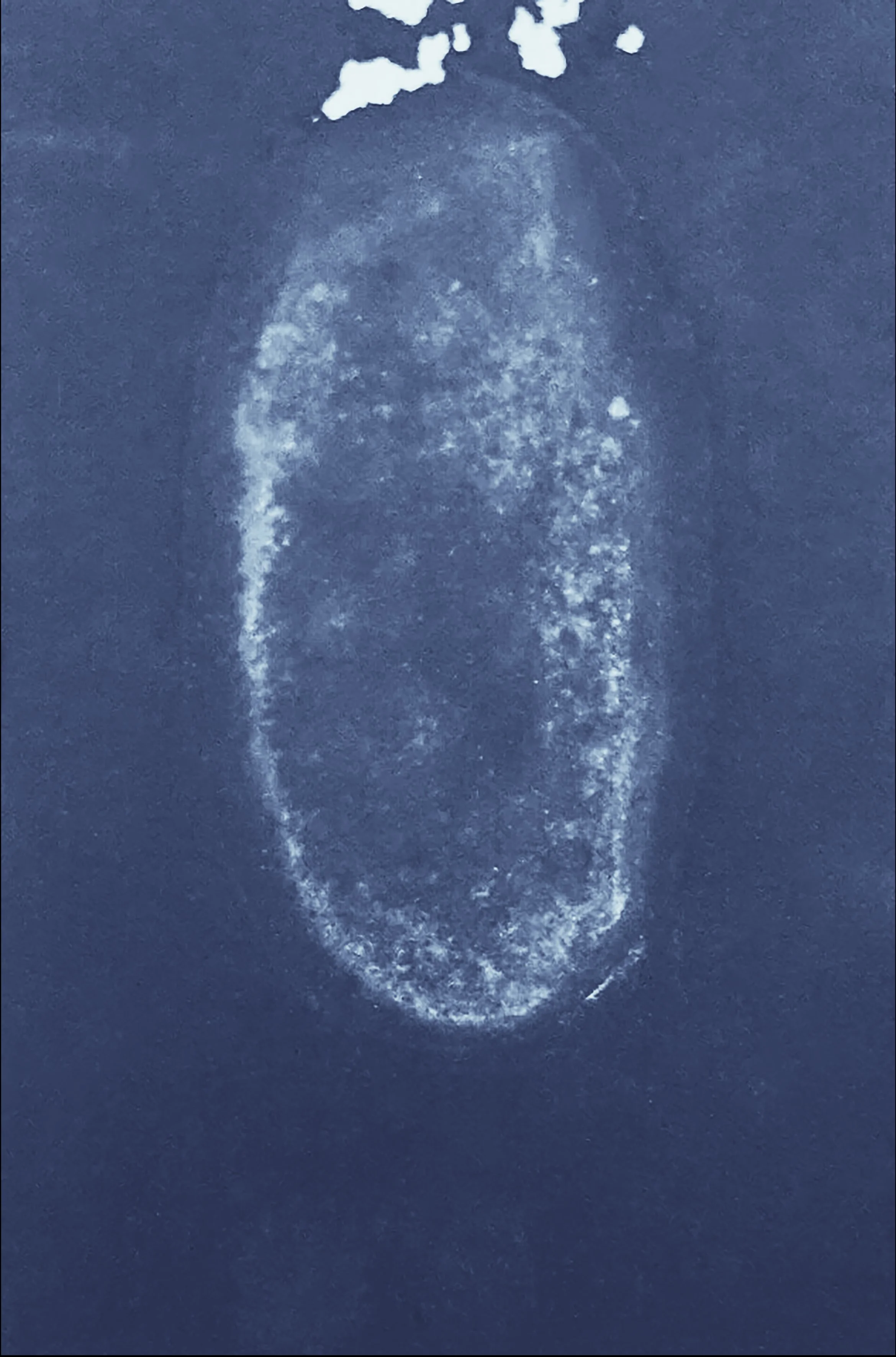
Last year, I took part in the Serlachius residency in the small town Mänttä in Finland. There, I was given access to the archives and collection of the Serlachius Museum, as well as to old photography material, which I combined with shots of the current landscape and phytograms of local nature fragments to create a site-specific work. The focus was on visualizing the coexistence of different periods of time and on questioning the rather rigid separation between human and non-human actors. This is set within the context of an increasing alienation from nature within the current age of Anthropocene. For me, this work and the approach to otherwise barely visible witnesses of nature, combined with vintage photographic fragments, are interesting, and I would like to continue working in this field. In particular, places - as witnesses of memory - are of particular value to me, and I plan to explore this further and combine methods of bio art with my work on the appropriation of old found photographs.