Interview with Patricia Sandler
Can you share a little bit about yourself and your practice?
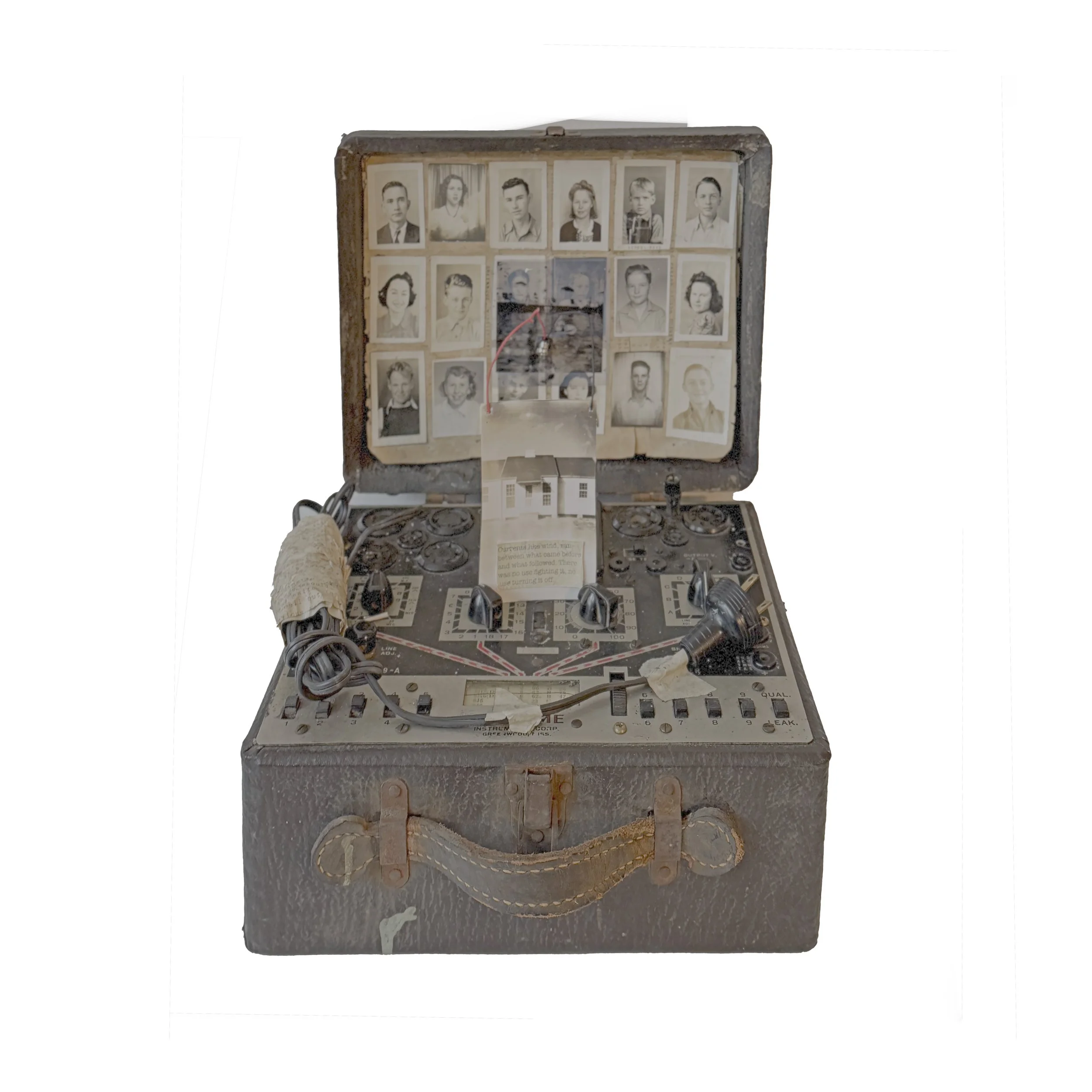
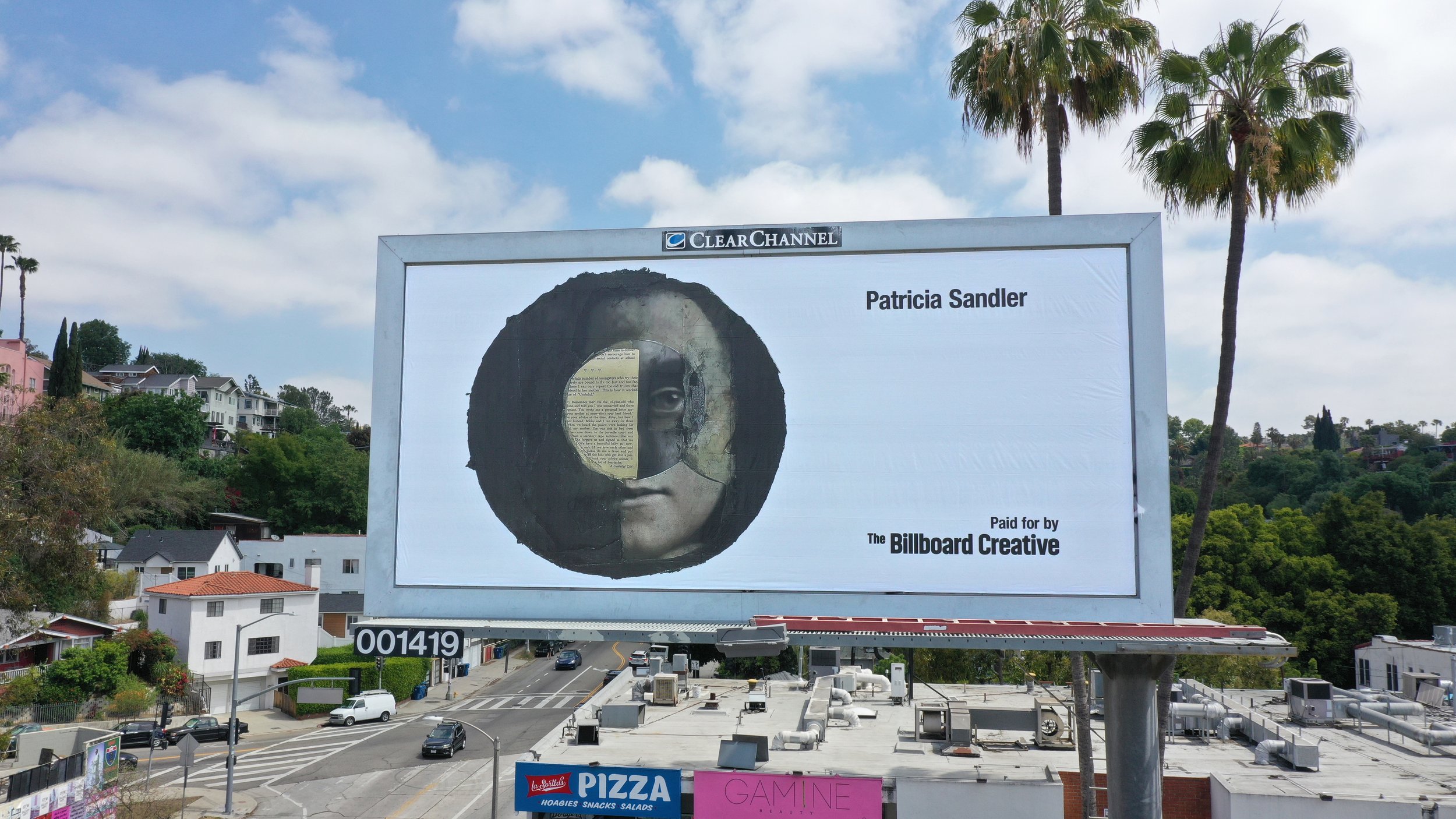
As far as I can tell, I have identified as an artist since about the age of three, when my uncle would draw squiggles for me to make into something. Photography became my media of choice in school when I had the great good fortune to work with Robert Heinecken. He also showed me the possibilities that began to expand my vision as to the possibilities of the medium. As an artist, I am drawn to the worlds of storytelling, emotion, family, the absurd and mystery. I am concerned with issues of belonging and loss, and tend to look deeply into things that come my way. I am passionate about making art that allows the viewer to both construct their own story/meaning, as well as that which allows them to experience feeling. To this end I have increasingly become immersed in the photographic collage or multi-media terrain. I have exhibited my photography in many group exhibitions throughout the United States and internationally, and have pieces in the permanent collections of The Museum of Fine Arts, Houston and the Center for Photography at Woodstock permanent print collection, Samuel Dorsky Museum of Art/College Art Gallery at S.U.N.Y., New Paltz, New York.
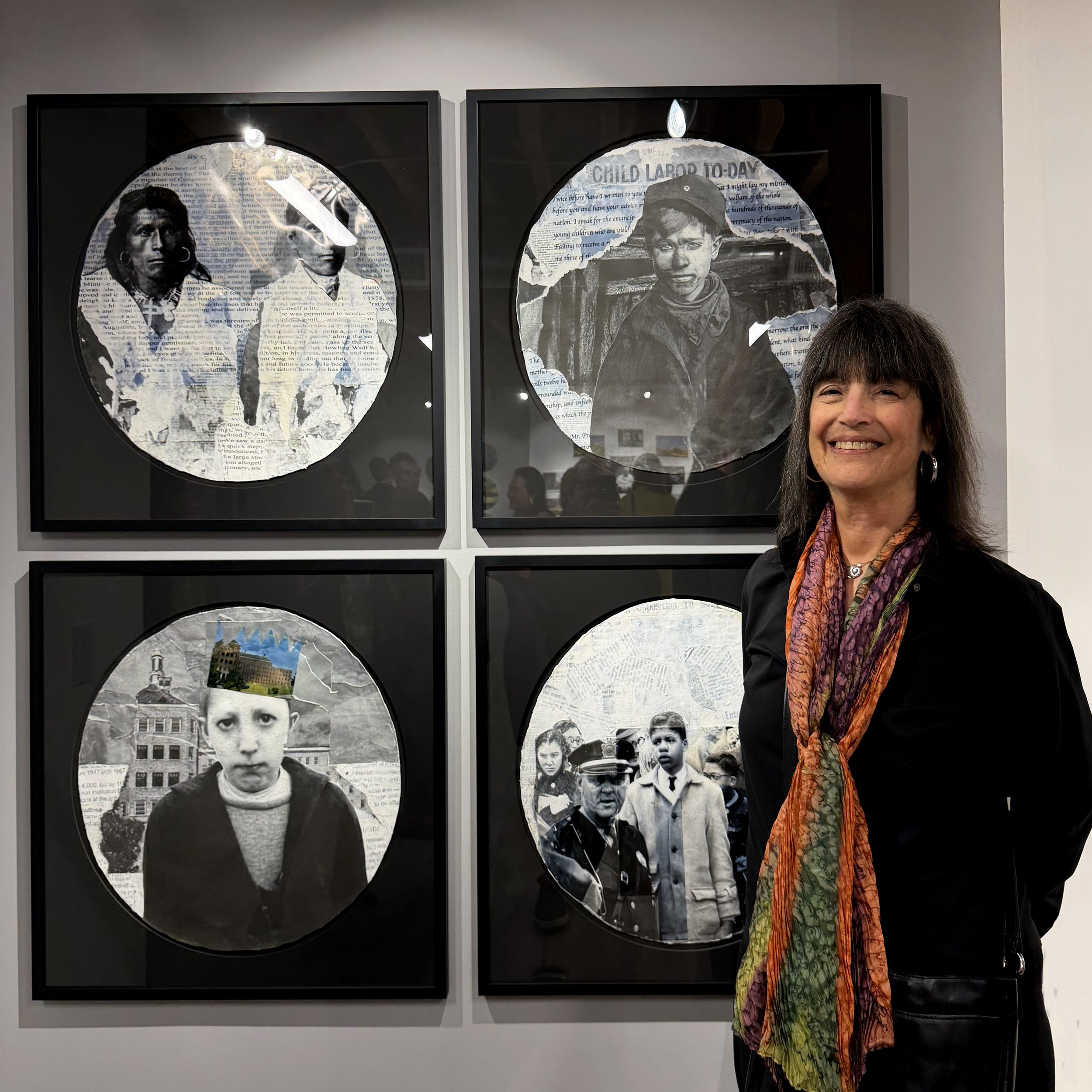
Reservoir Show Opening
When/how did you begin working with vintage photographs? What is their significance within your work?
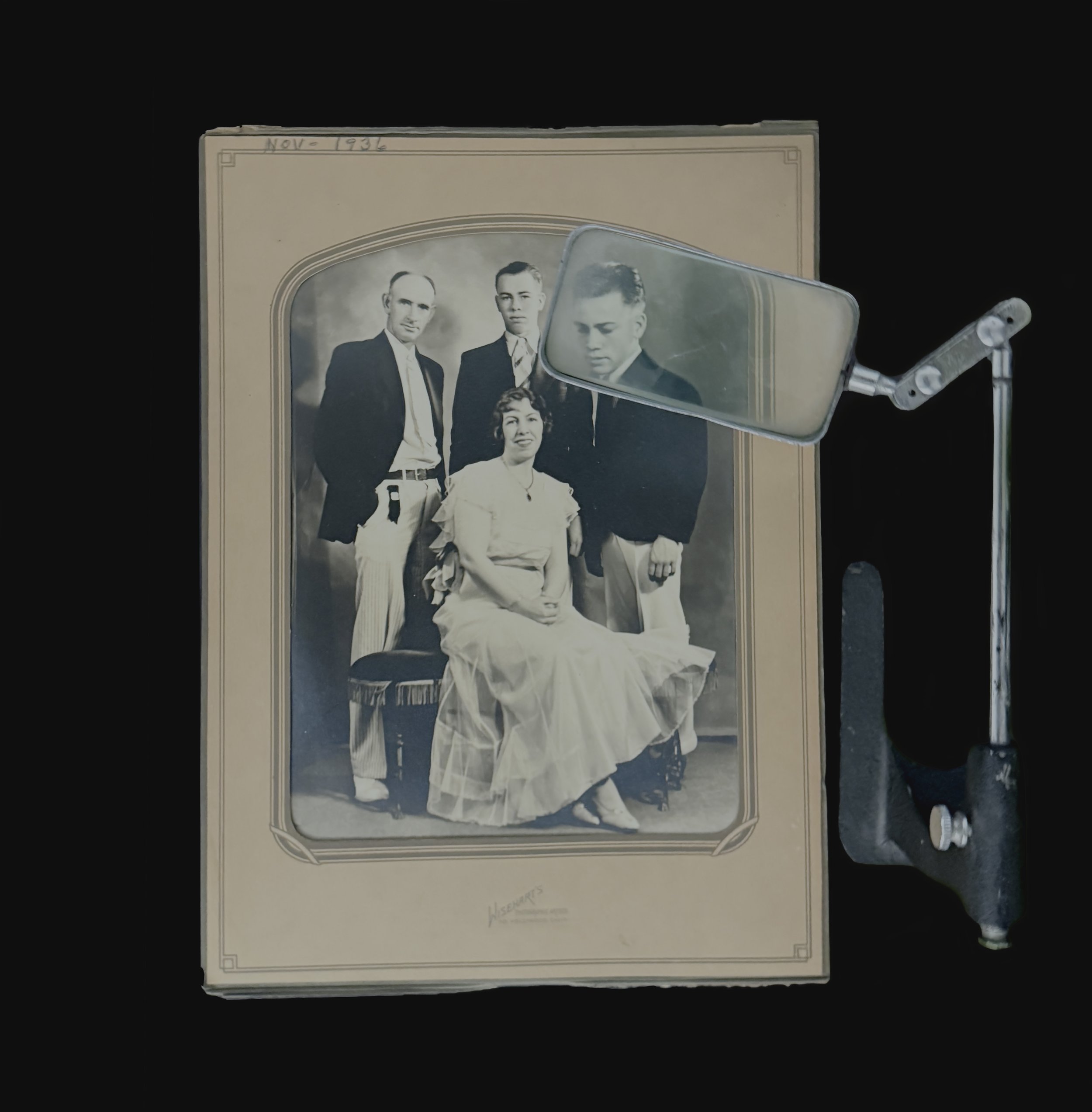
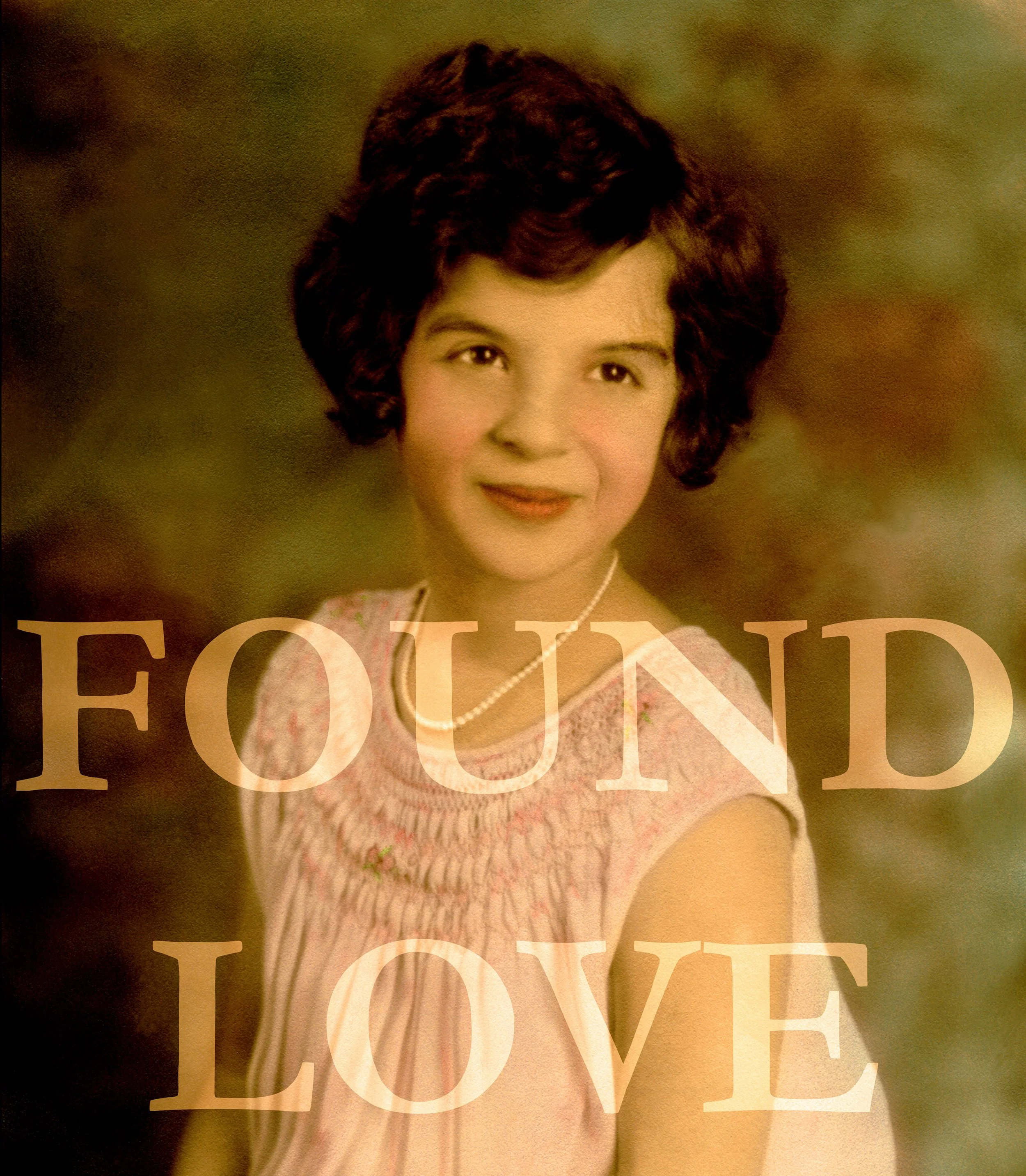
I have always been drawn to vintage photographs, and can spend hours in antique stores looking through these treasures when I find them. For me, vintage images have a soulfulness and quality that is very different from contemporary photos. I think there is a directness to them, perhaps because picture taking in the nineteenth century was considered a serious and special event, that is uncluttered by modern reference. There is also a sort of "dreaminess" to them due to the cameras and processes of that age. At the same time however, I am always looking for the connections to photographs from a different time with contemporary experience.
What themes are you exploring within your work?
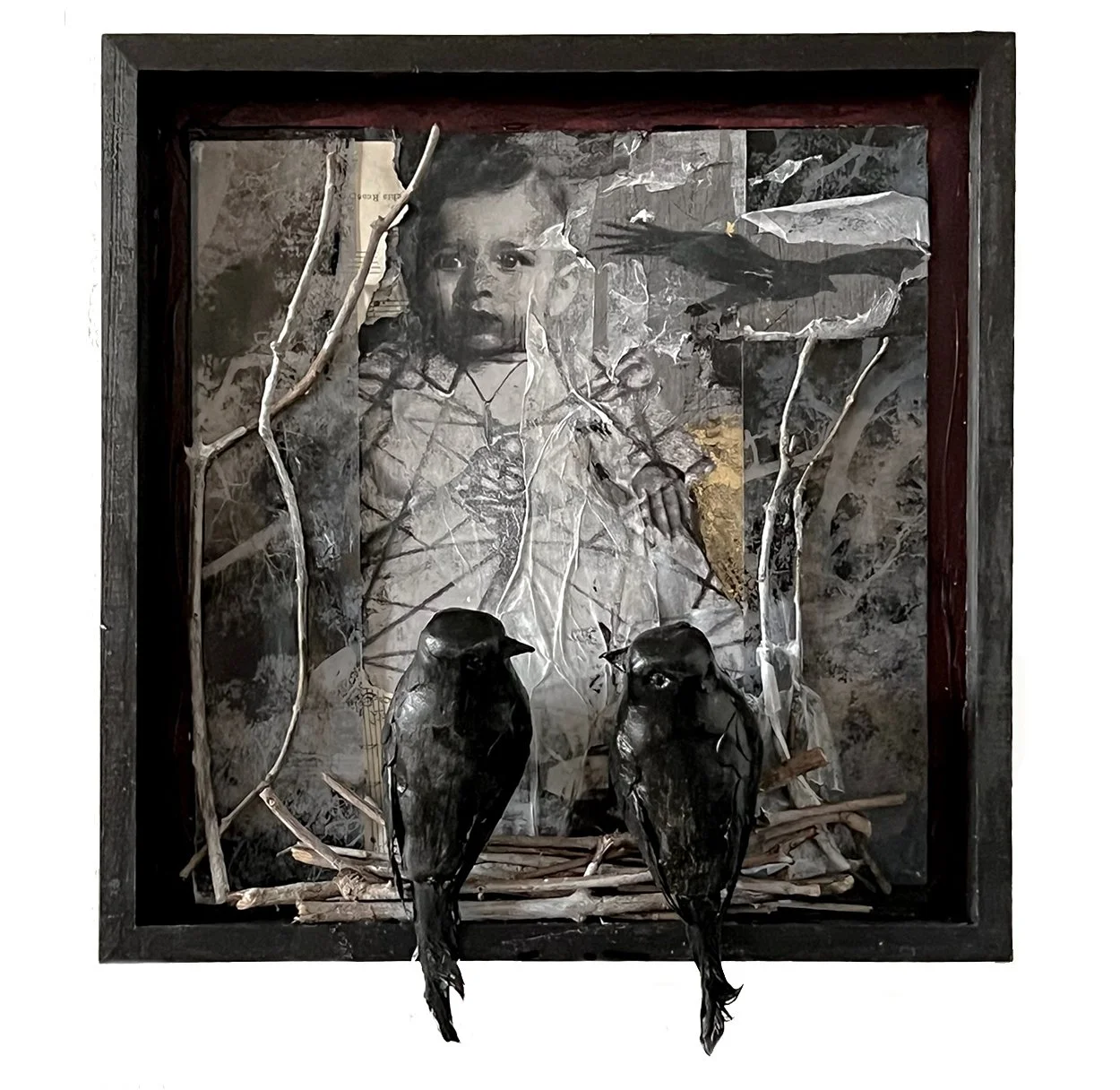
I am consistently interested in themes concerning family, loss, memory and how individuals fit into the larger group. Some of my most recent work centers on those who somehow stand out. For example, children who are considered outside of the group and who may be the subject of bullying or exclusion. I have also explored this historically in terms of how the archive remembers history in a particular way which may not always coincide with the lived experience of individuals in marginalized groups at different times in history..
Do you work with found photographs or family archives? If you work with both, do you have a different relationship to the pieces while creating them?
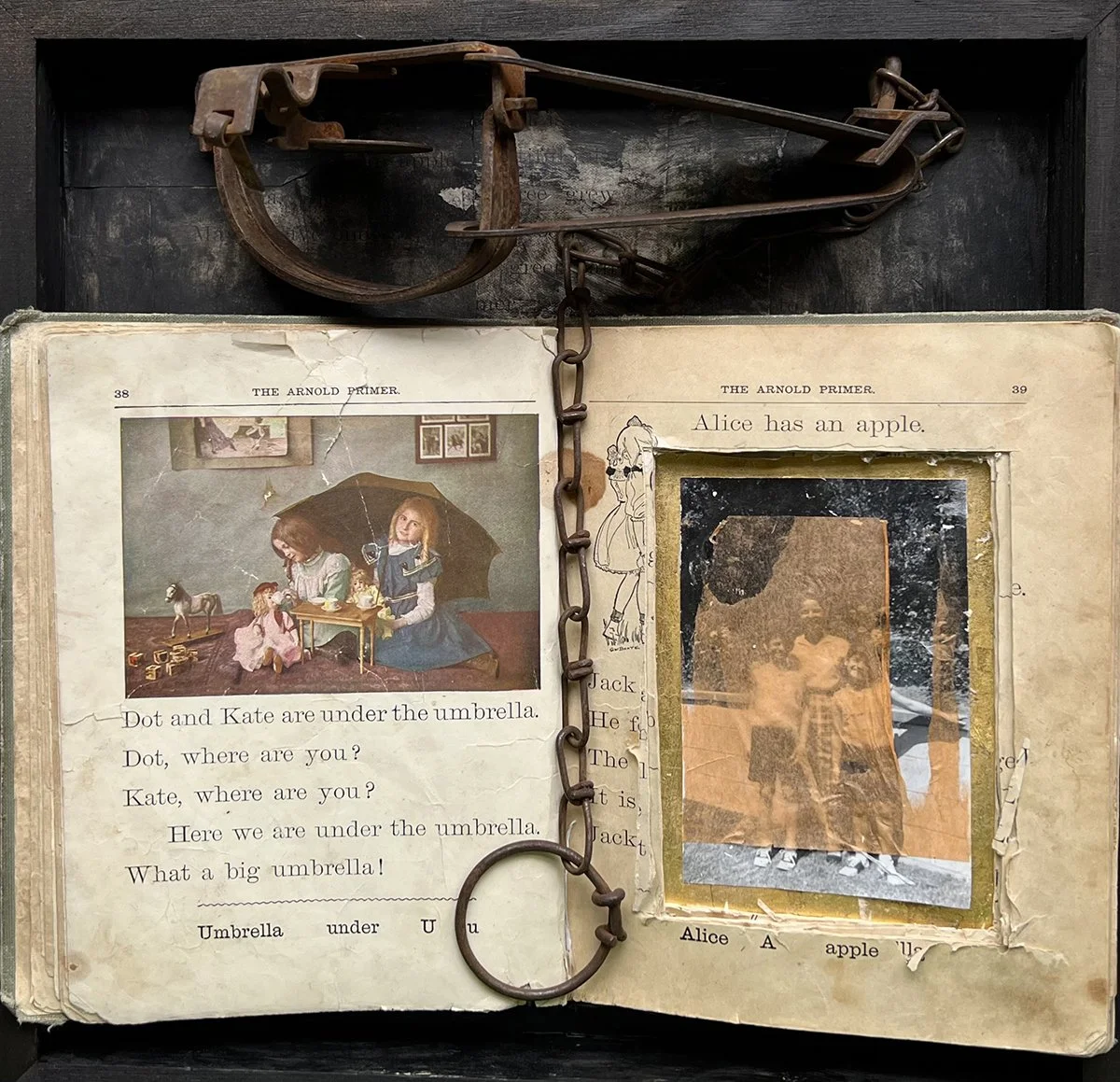
I do work with both found photographs and family archives. There is a distinct difference in the two areas in terms of my associated feelings while working with them, although there may be overlaps. Often, when I am working with family photographs, the story, or at least the beginning story is known, or has made itself know in my consciousness. In fact I may have the feeling or story first and then find the images that go with it, whereas more often with found photographs the process is the reverse. It is the vintage image that suggests the story. There are always exceptions to the process, and I may see my own story reflected in the vintage image
Are there any vintage photo artists you admire?
There are so many artist who have inspired and continue to inspire me. For starters, Brenton Hamilton, Christian Boltanski, KK DePaul, Erika Lujano and Julie Cockburn.