Interview with Victoria J. Ridgway
About Victoria J. Ridgway
Victoria J. Ridgway is a zaftig artist, poet and educator based in central Indiana. Her work focuses on manifestations of trauma, photographic haptics and Fat representation. Currently working as a Limited Term Lecturer at Purdue University, her work has been recognized by Manifest Gallery, Center Santa Fe, The Tokyo International Foto Awards, and The Houston Center of Photography. Victoria studied photography at McNeese State University in Lake Charles, Louisiana and graduated with her BFA in 2015. She went on to receive her MFA in photography from Indiana University - Bloomington.
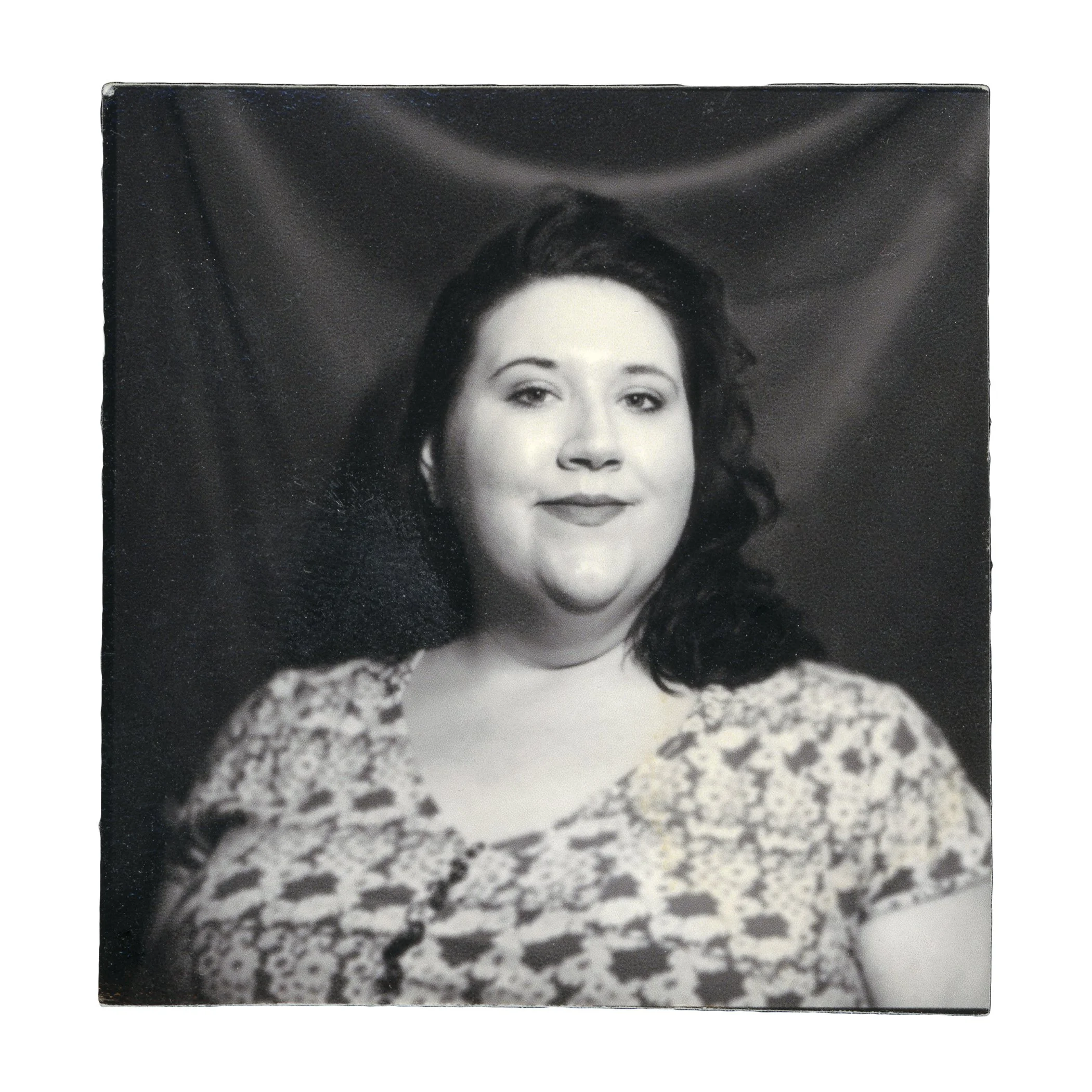
When/how did you begin working with vintage photographs? What is their significance within your work?
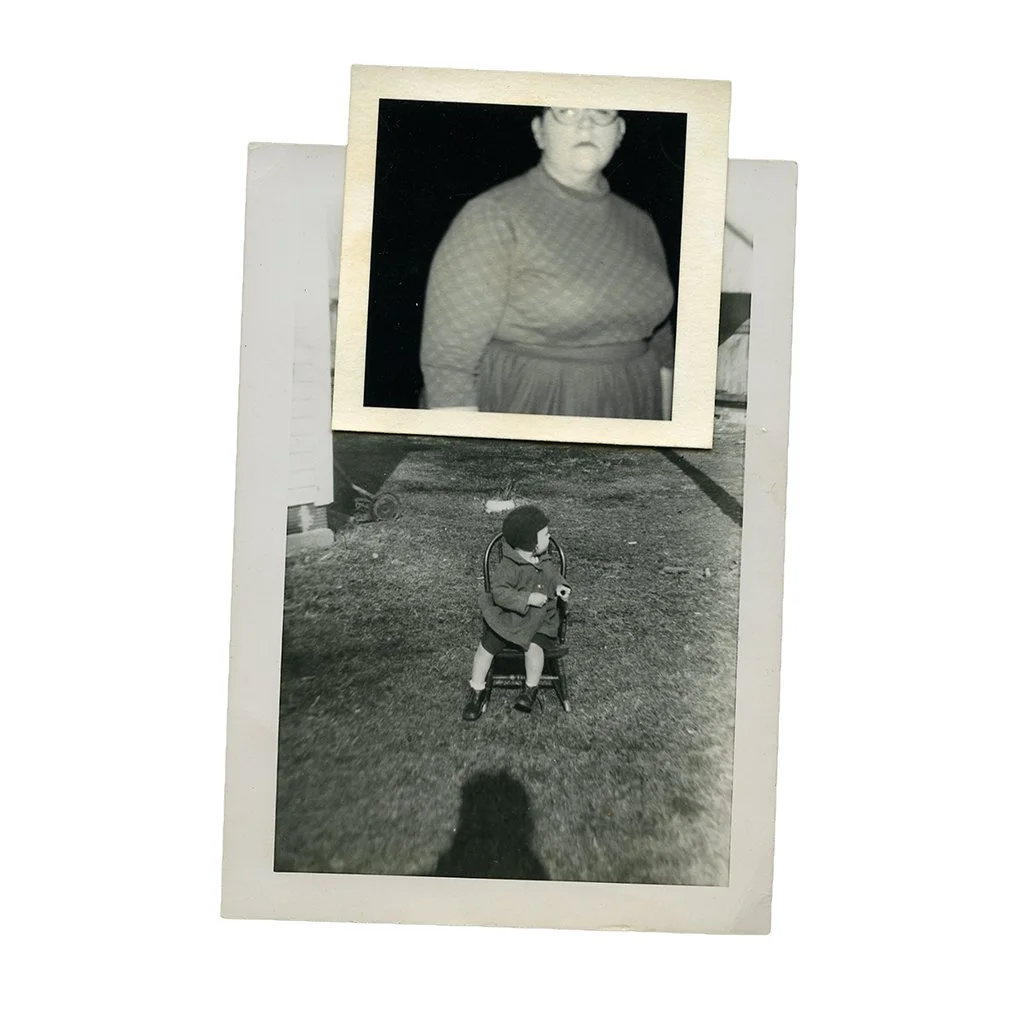
My journey with archival imagery was also the beginning of my journey with the act of photography. As a child, I would be with my grandmother for various chunks of time and she was the record keeper of our family. She had albums full of images of our family and I would pour myself into them. These images gave me access to family members who have long since passed away and details to stories / time periods that I had only imagined. This was also where I began to visually understand photographic terms such as aperture, depth of field and motion blur.
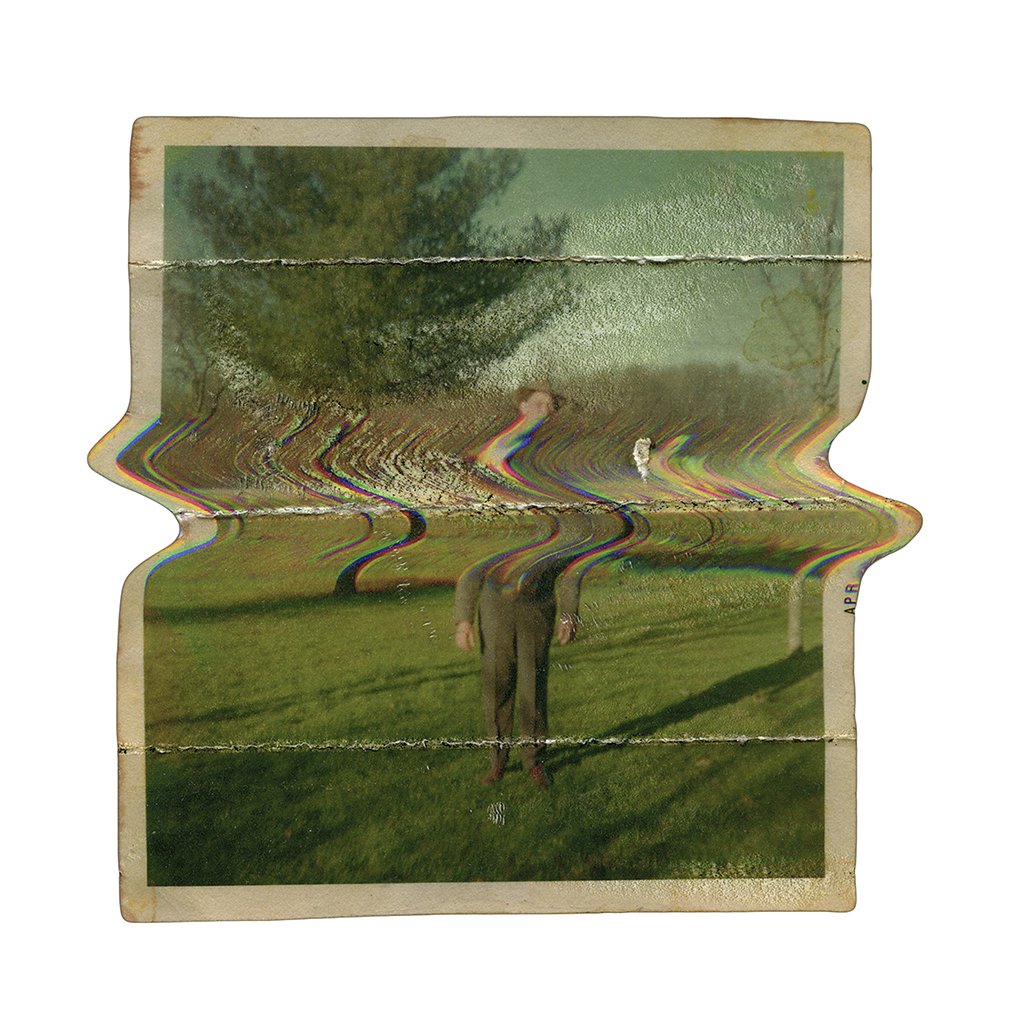
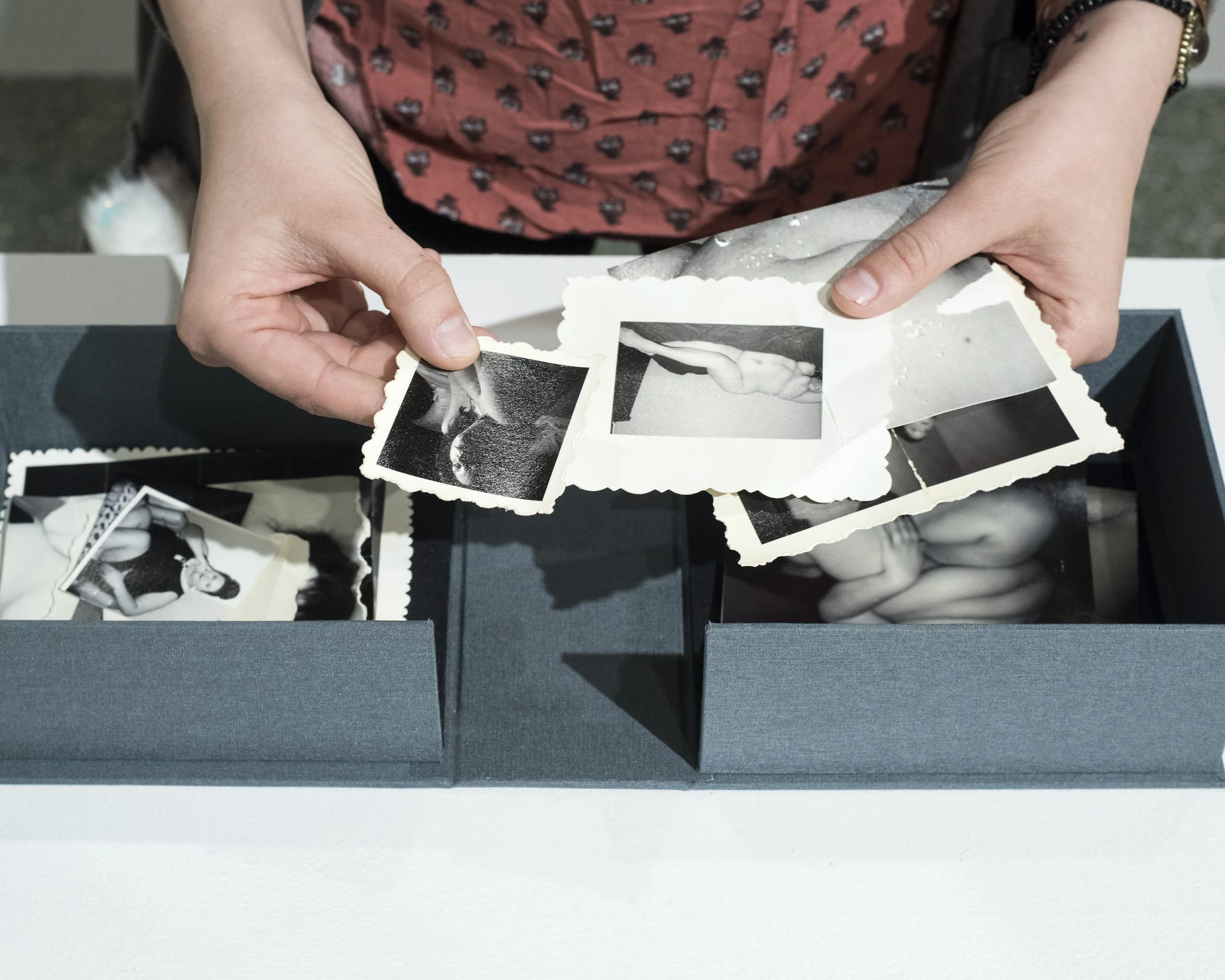
I began working with my familial archive during graduate school as I began to explore generational trauma, grief and the strained dynamics of my family. I would place the original image onto a scanner to create a true replication. Once, while I was scanning an image, I accidentally moved it and the result was a glitched photograph with a unique shape and tone. That particular image was of my grandfather who had passed away when my father was 11 years old. I felt this process opened up another dimension and allowed me to truly meet my grandfather for the first time. Through collaboration and bringing new meaning to my familial images, I began to question the significance of wear and tearing and folding of images. Some might see the laceration of an image as a violent act but I think of a photograph that’s been in a wallet for years. It forms to the shape of the wallet and fades in the specific areas that the wallet touches the body; this is an act of love.
How would you describe your process?
My process has many layers and it begins with finding a source of inspiration. This could be my familial archive or an institutional archive such as the Kinsey Institute. I take time to sit with interesting images and make notes about their physicality, photographic qualities and subjects. Depending on the source, I will then go on to scan specific images. My specific project goals will determine my first set of manipulations. These manipulations could manifest either through the scanner itself or various photoshop techniques. I will go on to print the images and from there, begin another set of manipulations. This could be toning, folding and / or scuffing the physical photograph. I will continue this process until I am satisfied the work is forming to my interpretation and intention.
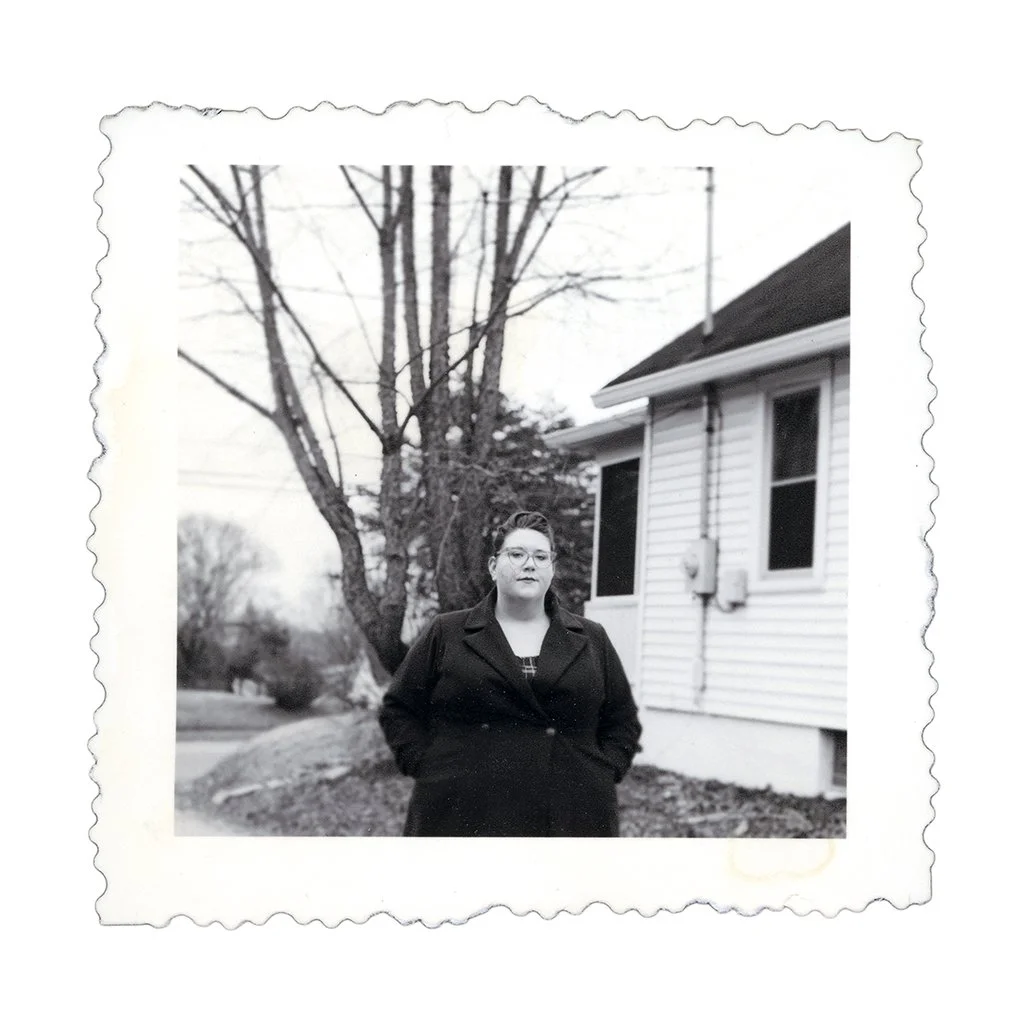
At times, self- portraiture connects heavily with my process and in two of my past projects, I intentionally made work that looks vintage / archival to create representation for fat bodies. These images employ tropes from the family archive to discuss femininity and to disrupt the timeline of Fat existence that American media portrays. There is a fascination / widespread panic of a body epidemic that is said to only have begun in the last 30 - 40 years. This is a false claim. The Venus of Willendorf would be one of the oldest examples of a Fat person in history and proves that Fat bodies’ existence is timeless. Self-portraiture, performance and sculpture converge in the work to create a space of empathy and acceptance of my Fat experience within a larger context of body and identity issues.
What is a dream project you would like to bring to life in the next few years?
In 2022, I was diagnosed with Chronic Myeloid Leukemia and this was a life-shifting diagnosis. This experience has altered every aspect of my life including how I make work, the way I teach, and advocate for myself. As a Fat human, I have lived a life full of terror when presented with the idea of going to the doctor. I, like many, have been gaslit and traumatized by the outdated and prejudice diagnostic system used by medical professionals. Collaboratively, I want to make a body of work that creates advocacy and refuge to a larger community.
Are there any upcoming projects you'd like to share about?
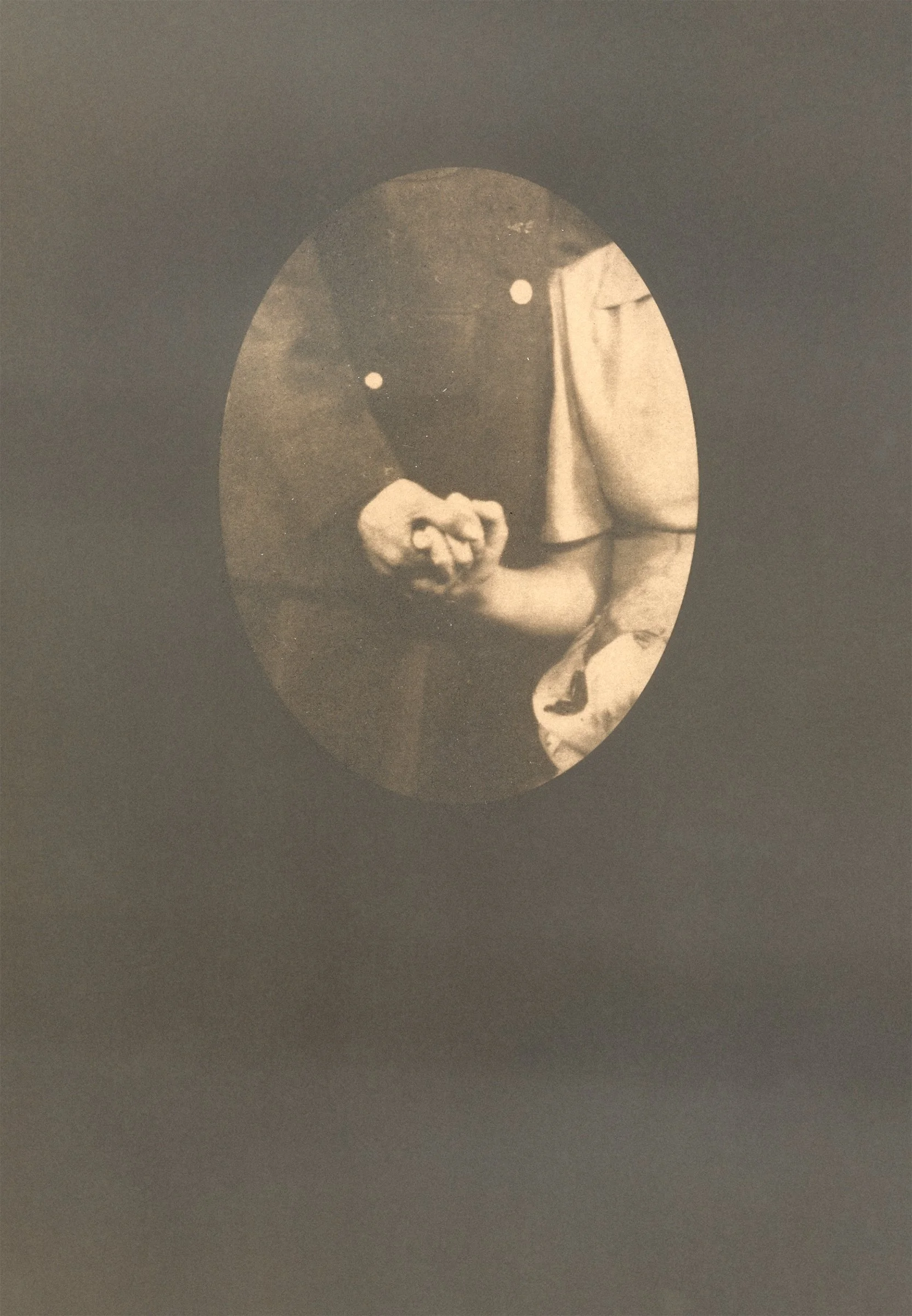
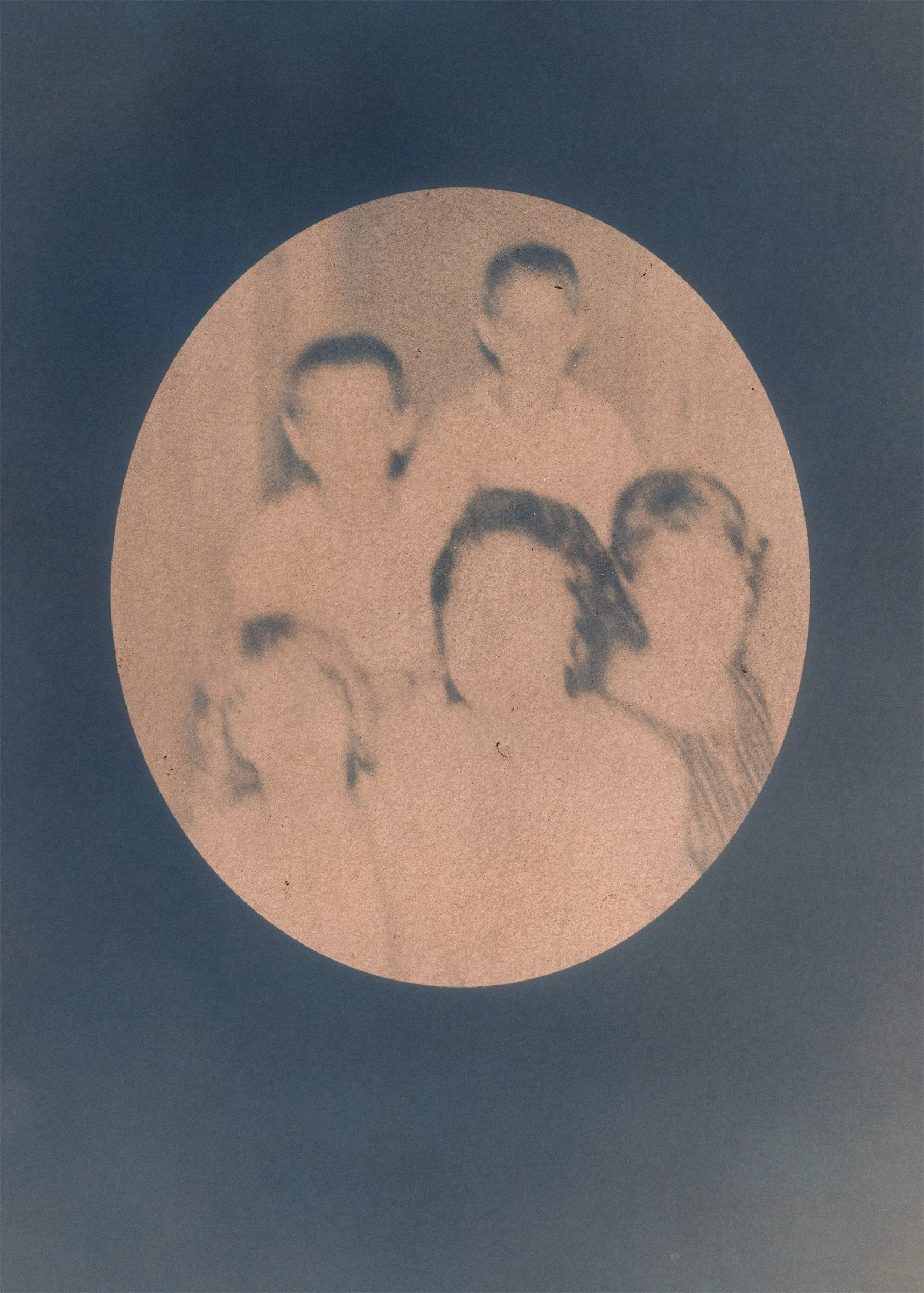
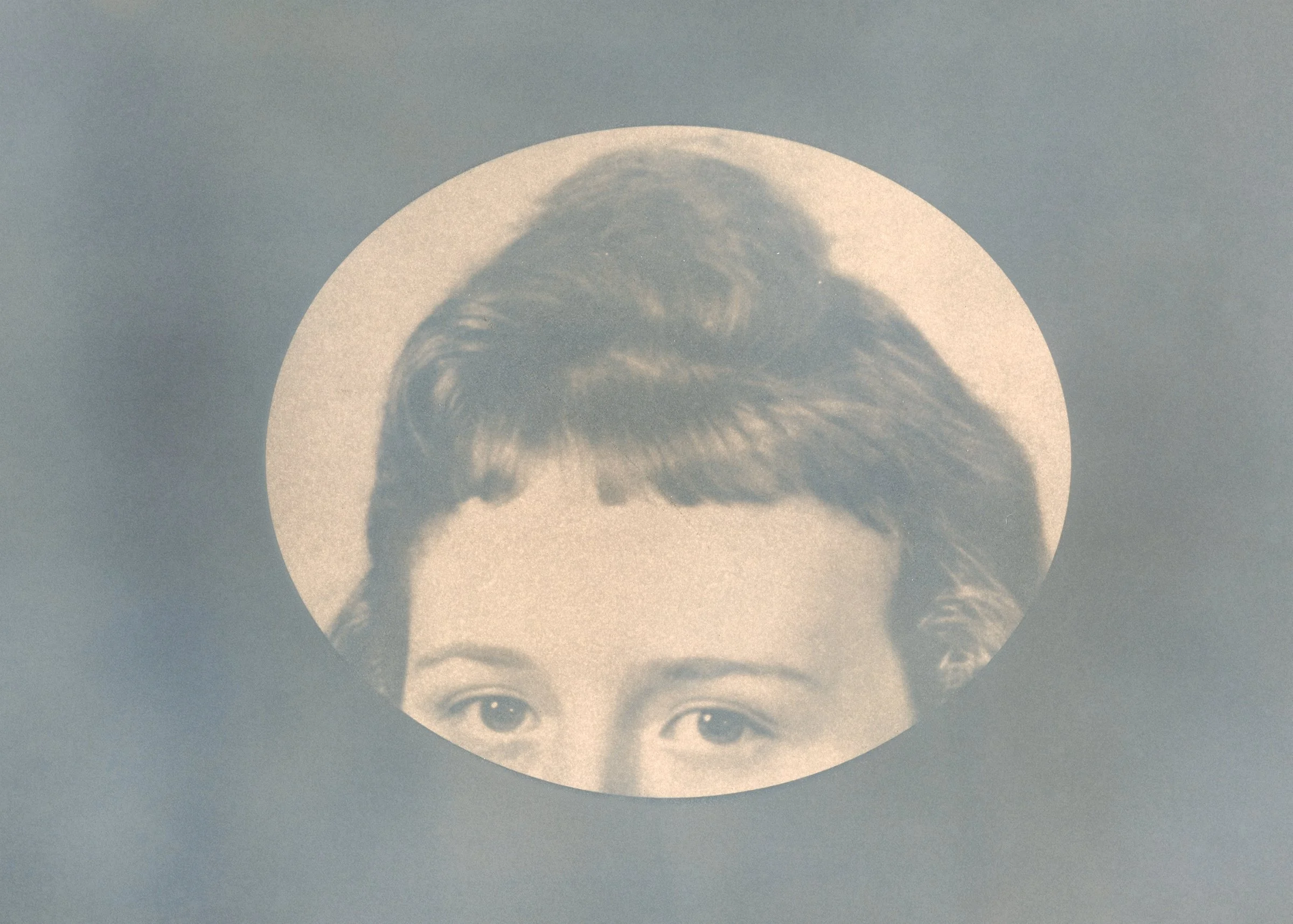
My newest series comes from a profound wish to reconnect with a home and family that no longer exists. Libation is a photographic dirge that summons ancestors through image, ritual, and material transformation. Rooted in my upbringing between Indiana and Louisiana, the work draws from intimate family traditions, such as, gathering over coffee to tell stories. These daily storytelling rituals functioned as both archive and altar; spaces where memory was preserved and grief metabolized. Through the process of cyanotype toning, this work is a ceremony that remembers, greets and mourns. Various materials such as coffee, tea, and wine give the prints a somber tone compared to the normal Prussian blue of a cyanotype. Libation was recently exhibited in Lafayette, Indiana at The Arts Federation’s Robert B. & Patricia Peyton Truitt Gallery and will be moving to Bloomington, Indiana’s Waldron Arts Center later this year.