Interview with Joanne Atarah
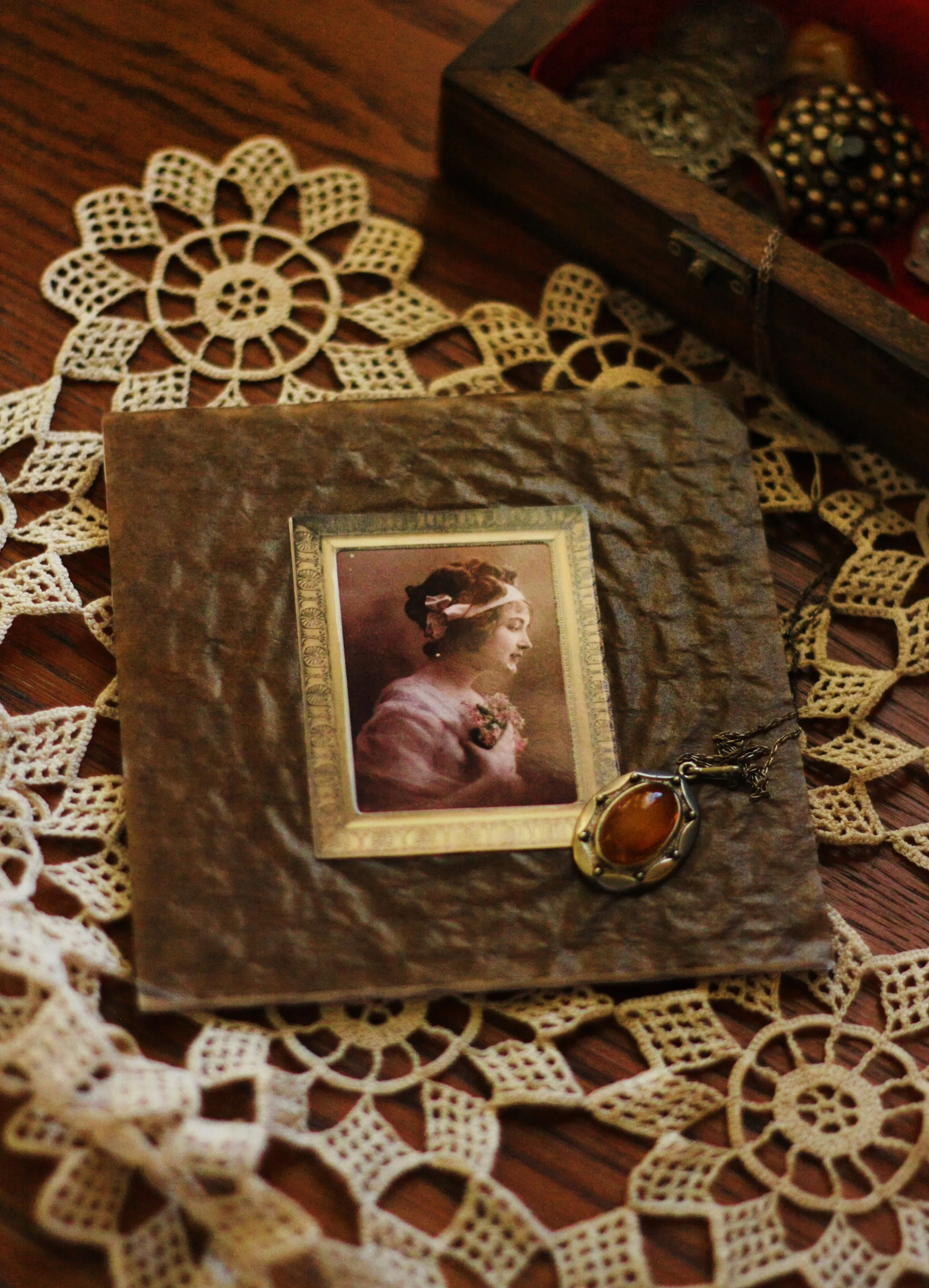
Artwork in the Making
When/how did you begin working with vintage photographs? What is their significance within your work?
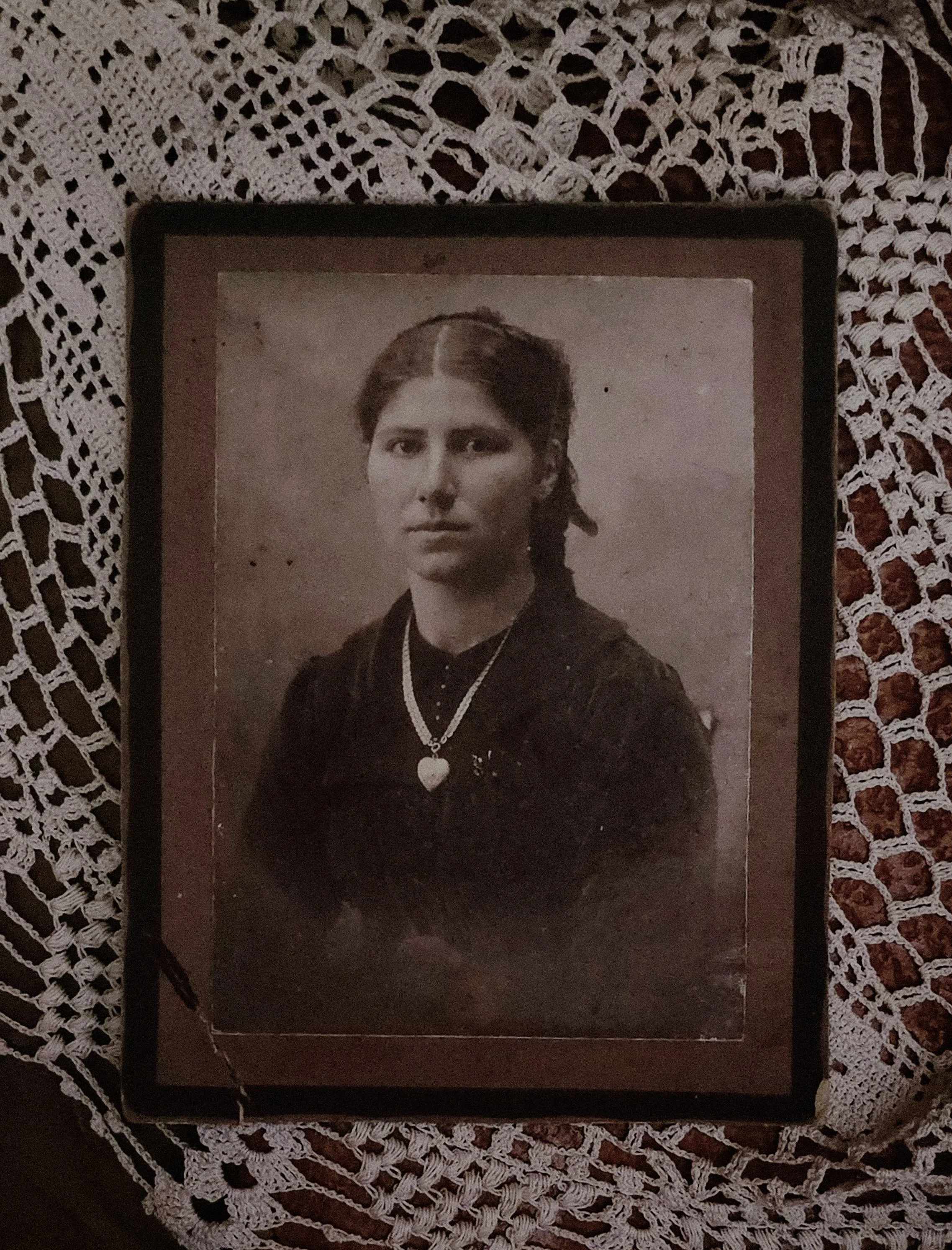
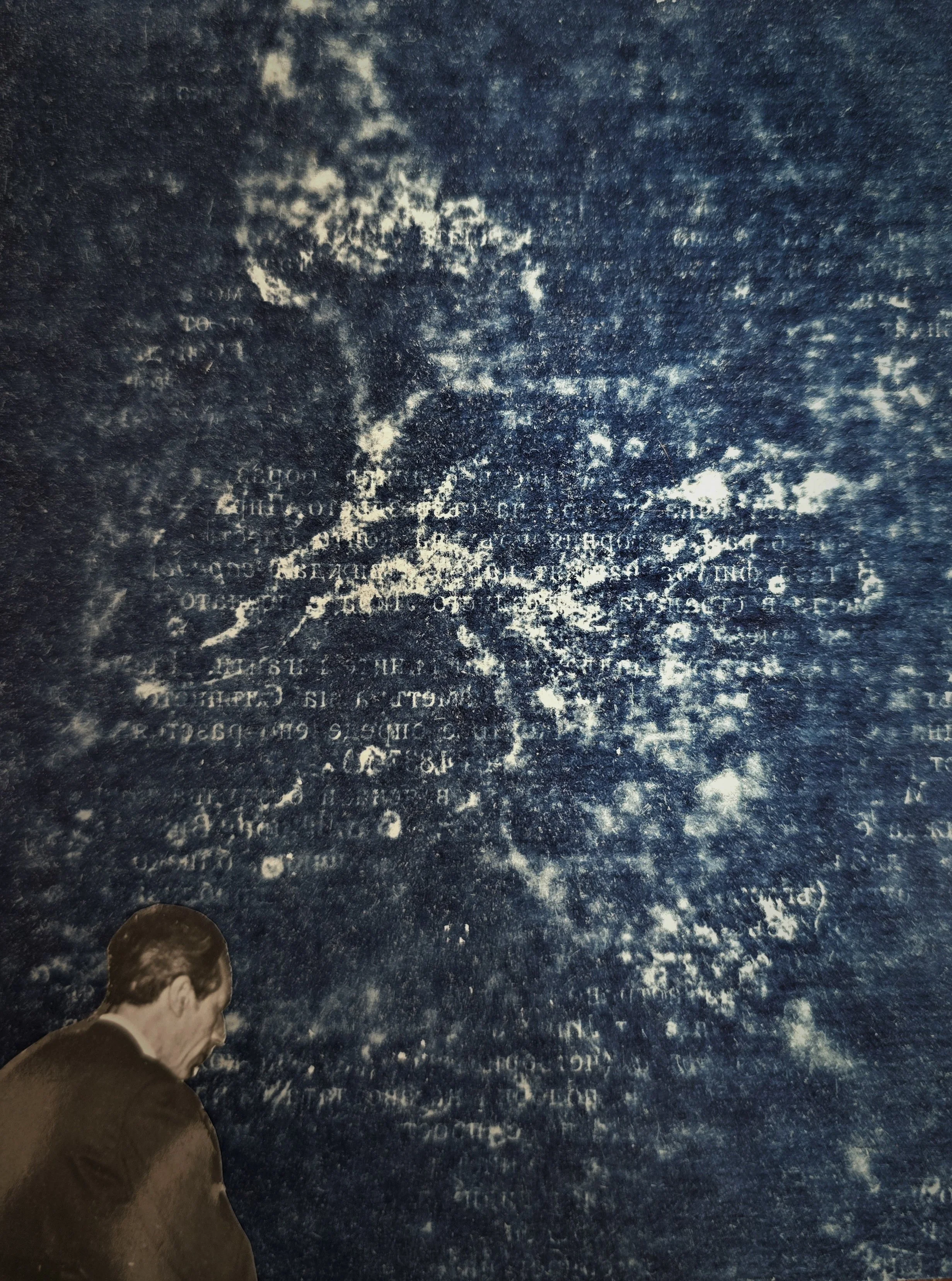
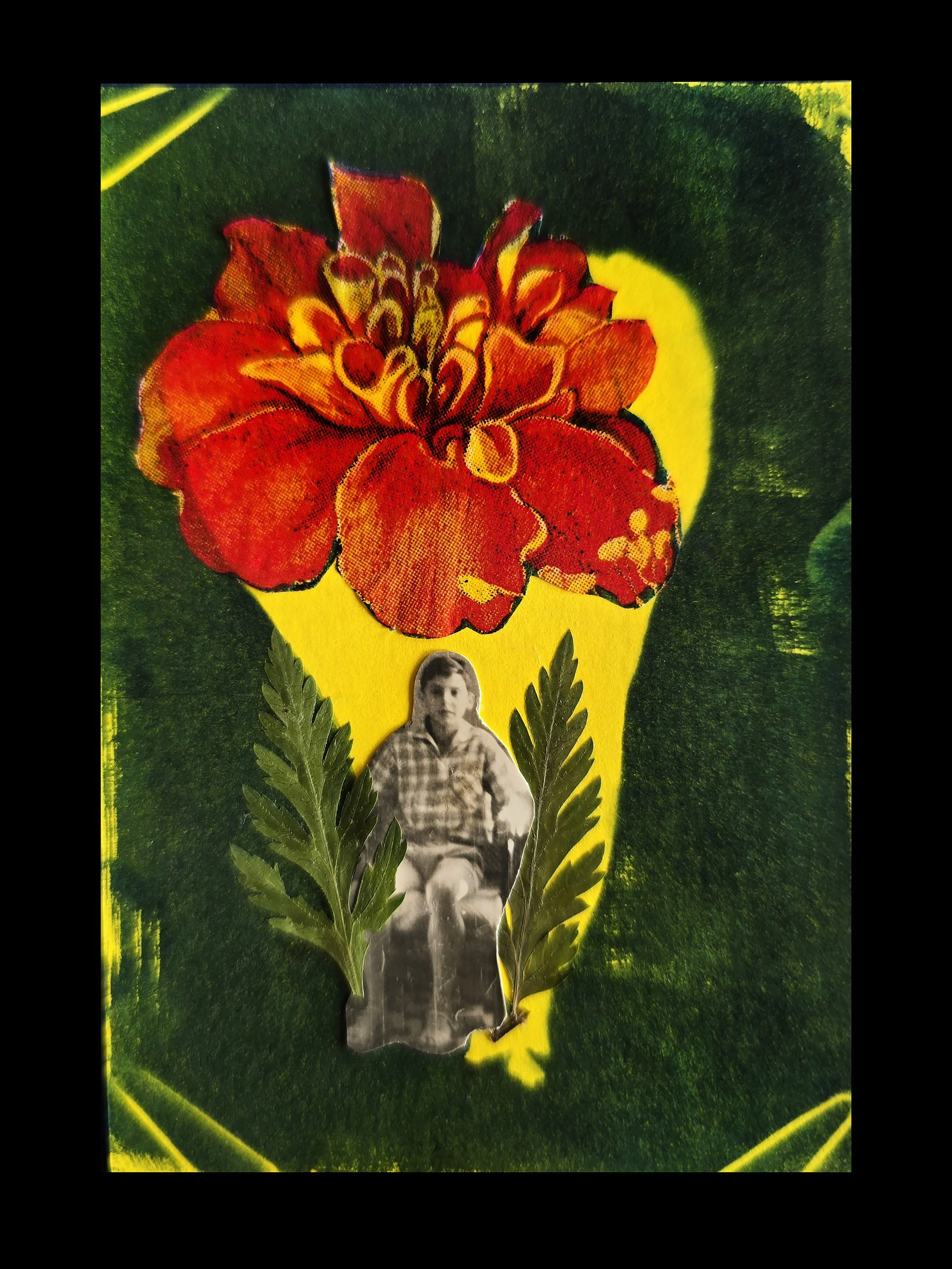
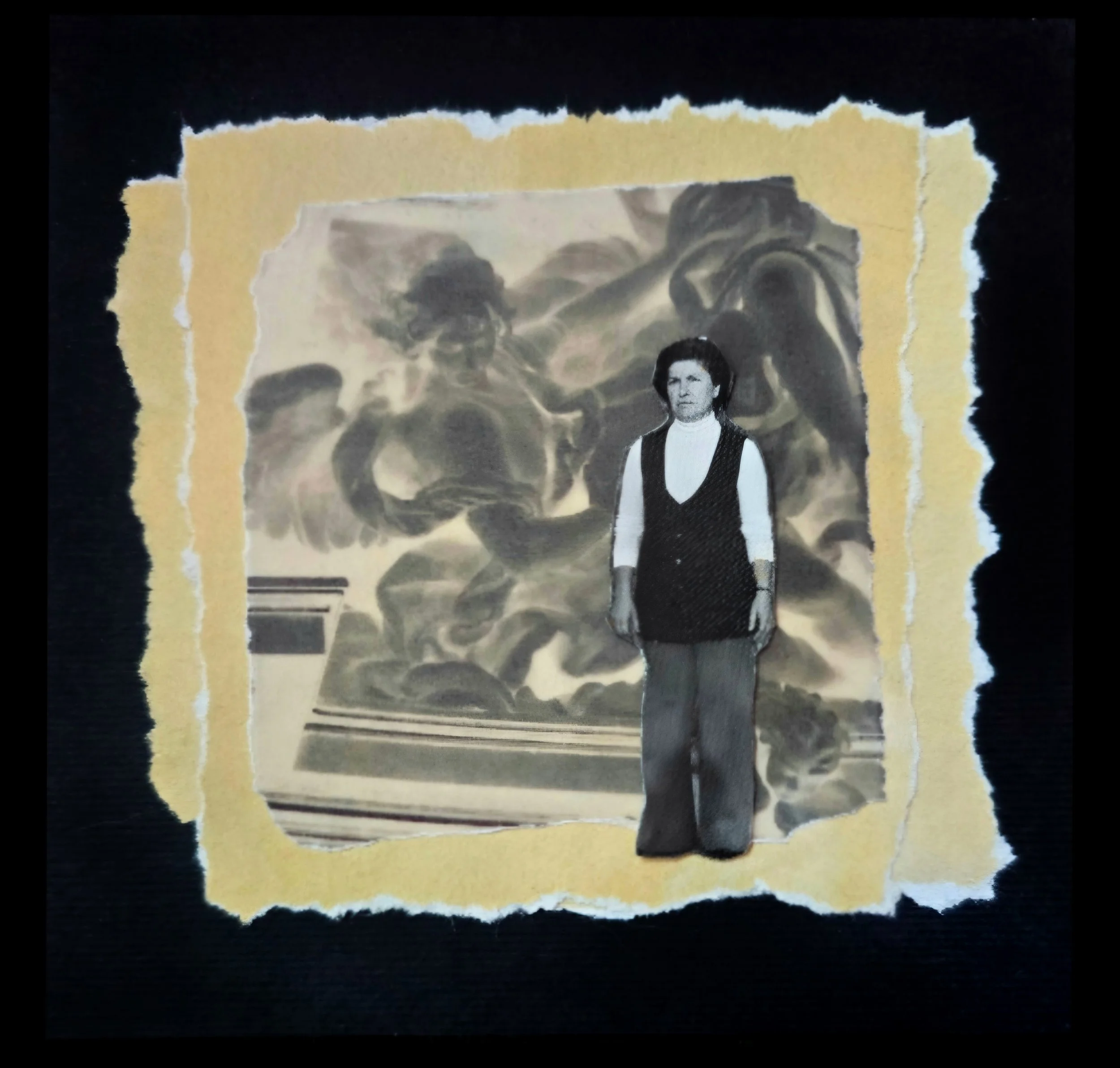
Vintage photographs entered my life with the passing of my spouse’s relative. I found myself then gifted with an enormous amount of generational imagery wealth that was about to be thrown away. To me, that was a treasure. I was convinced of their historical value and artistic potential, so I took the occasion to begin a cultural and ancestral exploration as a tribute to the zest for life, vitality, and grit inside those images that I became so personally attached to. I myself have very little knowledge of my lineage, so I took this very close to heart, and throughout the process, I discovered essential truths about my own character. Retrieving and reordering fragmented, scattered sparks of unknown memory and transforming them into unified forms created a meaningful personal discovery. I reached a realization that I was practically doing an artistic analogue to 'tikkun'. Old photograph repurposing is a past returning to the world not as it existed before, but in a new form reshaped by the reconciliation of dispersed elements. To expand these analogical relations, I use Cyanotype as a medium to visualize the human psyche and its internal landscapes. In this way, I intend to create a crossover between the human internal and external world and often merge timelines. To me, chronological or physical separation does not necessarily mean one existential separation, nor do elements of consciousness divide in a single lineage or individual. Now, my long-term dedication would be to unify fragments of memory in a new context beyond linear time and space, where their meaning becomes amplified.
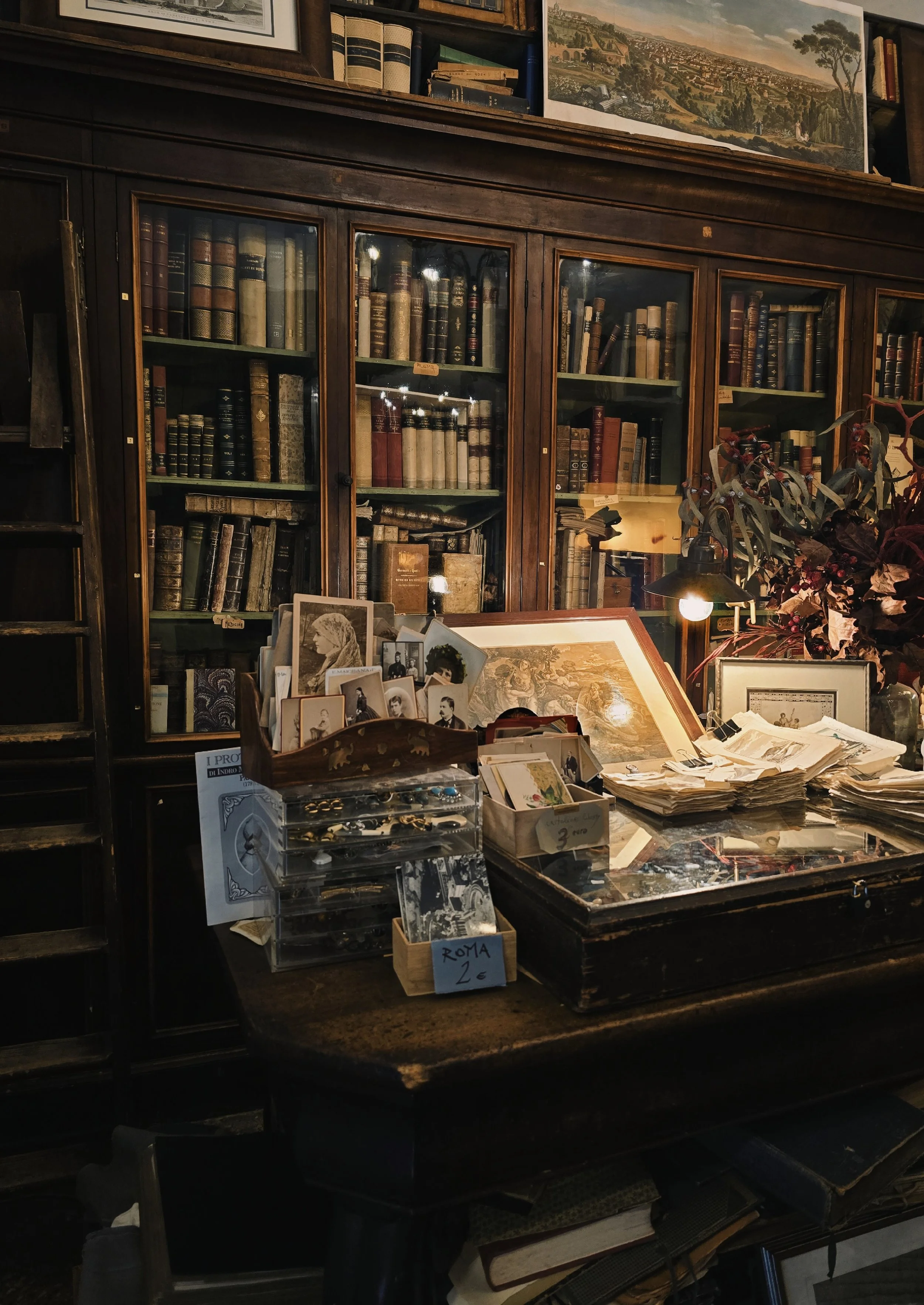
My Hidden Places of Inspiration
How would you describe your process?
I would describe it in segments. The first one is a silent ritual of looking at the archives and engaging in a quiet dialogue with the images to explore and connect my thoughts and visions and how they can contribute to their narrative. Some I associate with background stories, others suggest a different scenery or a more defining landscape. I think the most peculiar part of my artistic process is the stage than comes next, when I add layers of symbolism by uniting materials with linguistics. For example, embroidery could point out “what moves the needle” in the visual storyline or when I want to show someone’s “true colors”; I may use a bleached/toned Cyanotype as a background expressing the internal world of the person on top of the image. If there is a scene of bonding, perhaps the figures may appear as “cut from the same cloth”. The intention behind my work is to restore a fragmented reality into a more integrated form, so I combine elements that shape it on multiple levels. Pieces belonging to the person in the image, such as jewellery, stamps, fabrics, may become physically attached to the artwork and literally become part of it. Perhaps a hidden artistic character that seems expressed but unrealized may be visually amplified in a new creation. To do so, I use Cyanotype as a medium to bring a visual form of the human psyche into existence and make consciousness emerge with clarity beyond words or definitions.

What themes are you exploring within your work?
I truly find it interesting to explore heritage as an embodiment of the collective memory and consciousness. In the process of repurposing old photographs, I expand my perception of reality by creating a mental link between the captured lived experiences and my own ones. Thus, they merge as a collective memory and create a narrative bond beyond blood relation. The spiritual transaction that reveals value goes beyond the limitation of a single lineage.
Old photographs as a doorway to merge timelines, creating existence between past, present, and becoming.
Self-authoring and secret revelation.
Abundance and its endless forms.
Perception as an architecture and cognition.

The Elephant Spoon, or How to Eat a World
What are your current inspirations?
Mostly, I am inspired by other artists found inside the pages of Photo Trouvée Magazine. This is a great source of inspiration for me.
Do you have a favorite vintage era of photography? What is your preferred era of photographs to work with?
The soul of photography for me would remain in the era of slow processes. The time when deep observation was prioritized over rapid-fire documentation, and art was more intentional. This is where my artistic inspiration comes from. I love the 19th-century alternative and historic printing processes like wet plate Collodion (Ambrotypes and Tintypes), chlorophyll printing, and contact printing (such as Cyanotype). At this point, I combine various techniques as a dialogue between different timelines. All of them aim to create a wholesome, mindful process that allows depths of perceptual layers to emerge. Nature is often an active co-creator partner with these processes, adding a sense of cosmic connectedness.

What advice would you give to an emerging artist starting their journey using vintage photographs? What are some ways they could find their voice or unique styles?
I think beginning with an open mind and curiosity to discover a certain truth about themselves throughout the process would be the key. Repurposing and recreating a past image literally allows us to reshape a reality by choice. Questioning what deserves a different narrative, a second chance, or a better expression would determine the artistic voice.
What is a dream project you would like to bring to life in the next few years?
I am in the process of creating a photo book with vintage photographs about the Third Bulgarian Kingdom (1878 - 1946). This project concept was conceived and unfolded beautifully during the Spring 2026 Residency Program of Photo Trouvée which began with a single image found at home and a will for self-rediscovery.
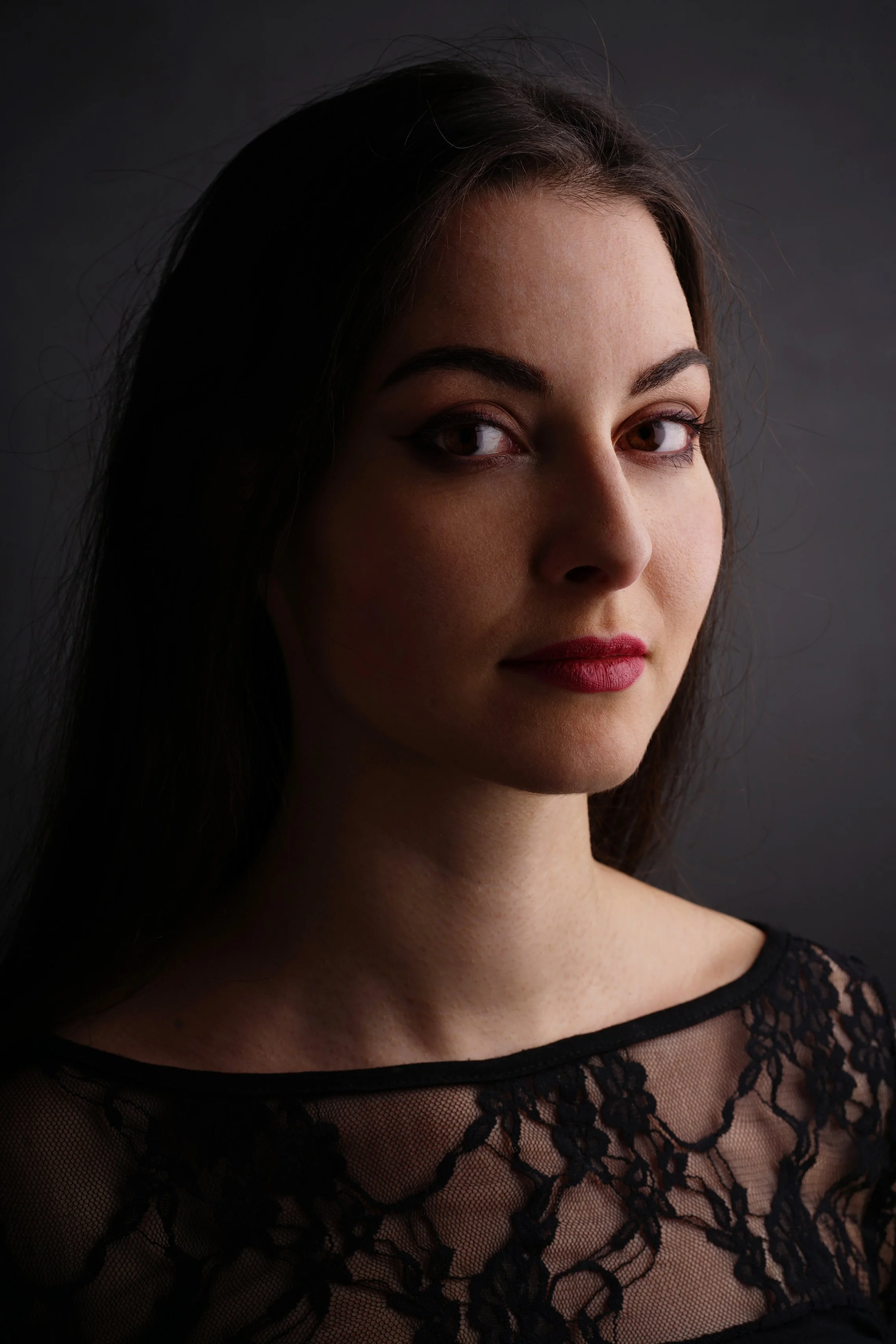
Portrait of the Artist
Joanne Atarah
she/her | Bulgaria/France/Italy
Instagram: @alternative.processes
Website: alternative-processes.com